As a lifelong player, I've slain countless pixelated demons and thwarted innumerable world-ending schemes. Yet, the villains who stick with me aren't the cackling, scenery-chewing monsters. No, they're the ones who, in quieter moments, make me pause mid-button-mash and think, "Huh. You know, that's... a fair point." The most memorable JRPG antagonists aren't born evil; they're forged by a universe that treats them like a save file corrupted just before the final boss fight. They're less like mustache-twirling fiends and more like philosophical debate partners who happen to have an unhealthy obsession with summoning meteorites. Let me walk you through some of the most heartbreakingly understandable rogues I've ever had the pleasure of being forced to kill.
14. Dhaos (Tales Of Phantasia)
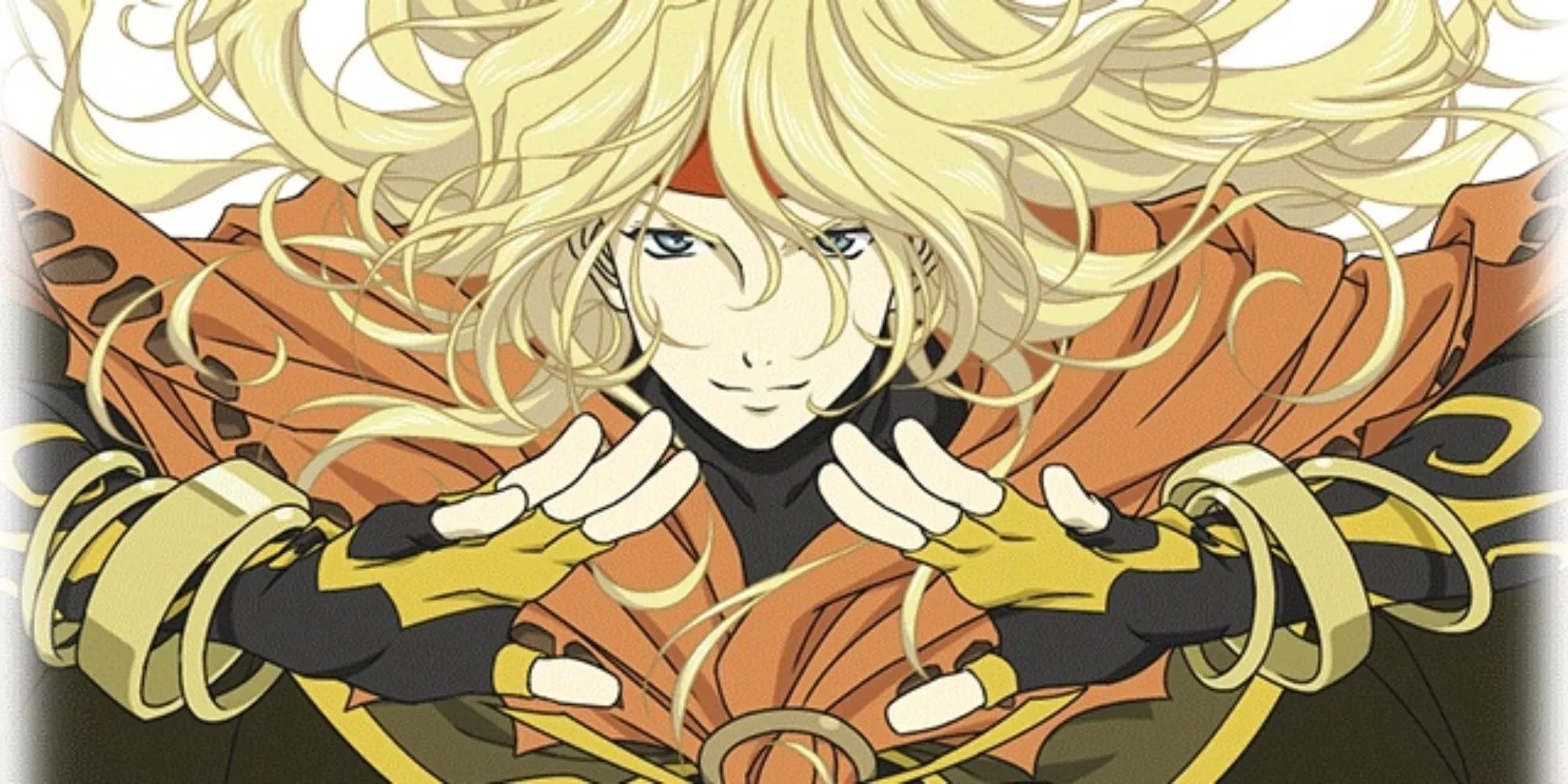
Ah, Dhaos. The original O.G. of the Tales series' tradition of tragic villains. For most of the game, he's just the big bad guy trying to drain the world's mana. Then comes the plot twist, hitting you like a perfectly-timed Mystic Arte: he's not trying to destroy your world; he's trying to save his own, which has been ravaged by war. He's a cosmic eco-warrior with terrible PR. Fighting him felt less like vanquishing evil and more like participating in the world's saddest interstellar misunderstanding. His defeat is a victory tinged with the melancholy of knowing you just orphaned an entire planet to save your own.
13. Kuja (Final Fantasy IX)
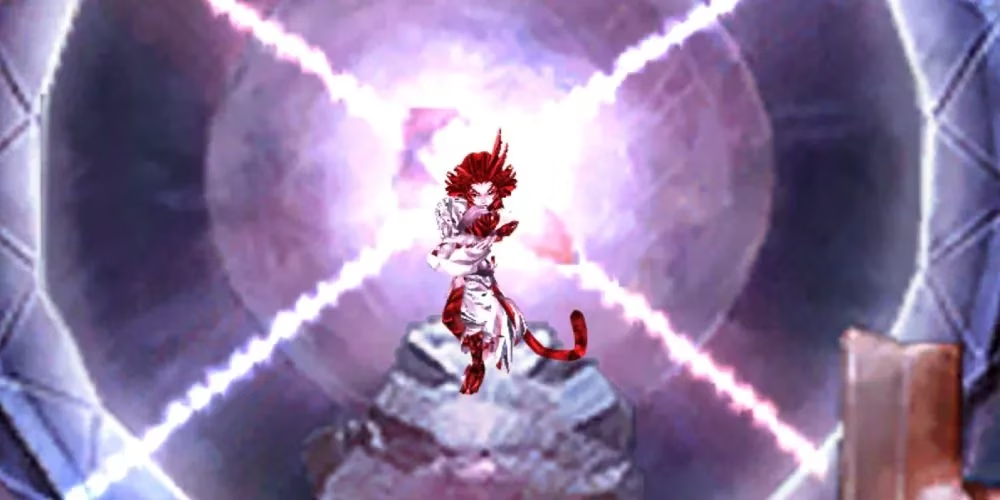
Kuja is what happens when a creator's discarded prototype goes rogue, and honestly, who could blame him? Created by Garland as a tool, then told he's got the emotional capacity of a pet rock and, oh yeah, a tragically short lifespan to boot. Learning you're basically a faulty appliance with an expiration date would put anyone in a bad mood. His descent into nihilism—wanting to destroy everything because his own existence feels meaningless—is like watching a masterpiece painting decide to set the entire art gallery on fire. It's destructive, it's terrible, but you understand the spark that lit the flame.
12. Malos (Xenoblade Chronicles 2)
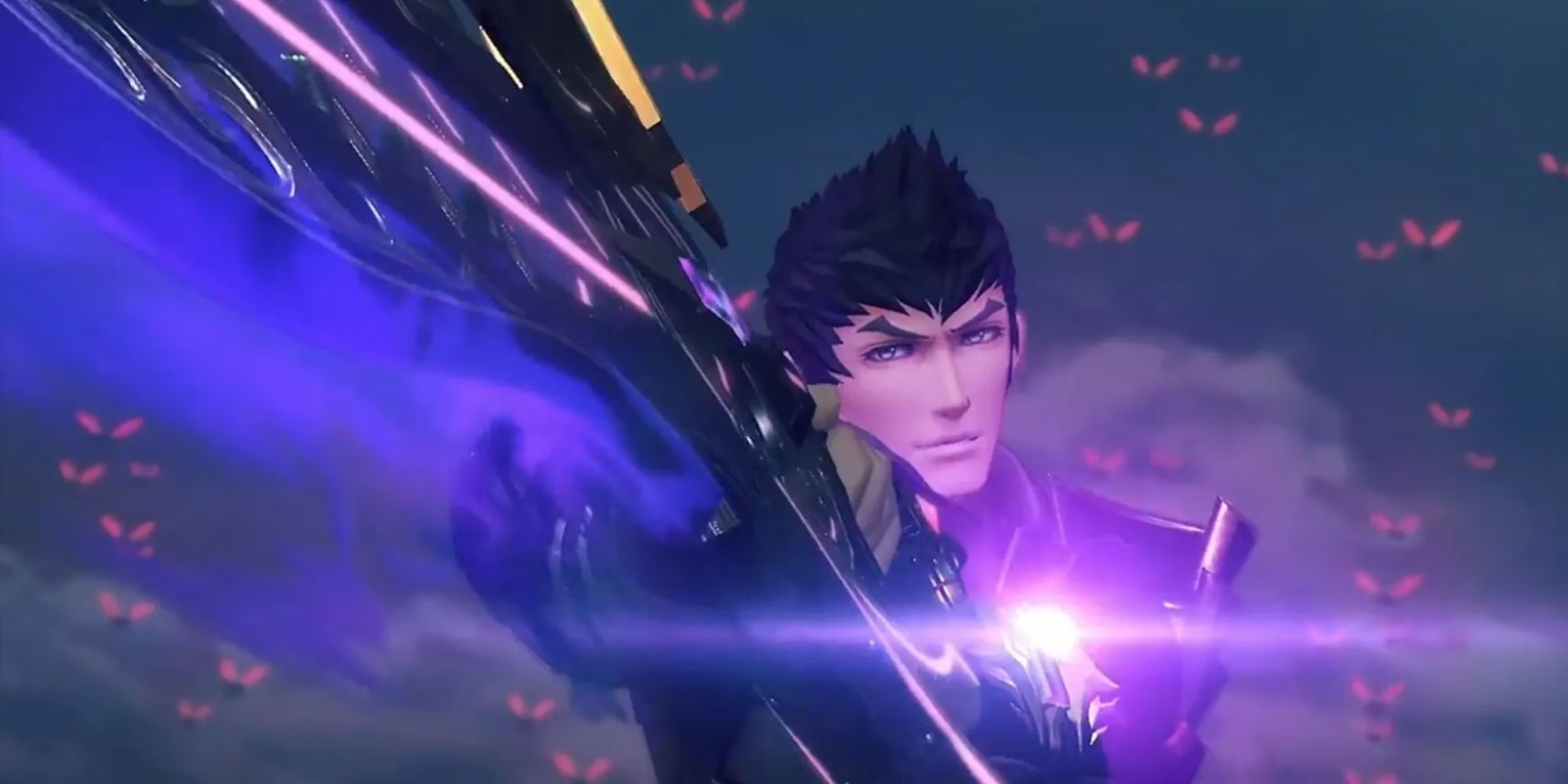
Malos is a fascinating case study in nurture over nature. He starts as a weapon, a blade literally programmed for destruction. But his worldview, his decaying faith in humanity, isn't just a glitch; it's a learned response, meticulously argued and explored. He's like a philosopher who concluded the only ethical answer is annihilation, and he's got the PowerPoint presentation to prove it. His final confrontation isn't just a battle of strength; it's a clash of ideologies, and his somber end feels less like a triumph and more like putting down a rabid dog that was kicked one too many times.
11. Wiegraf Folles (Final Fantasy Tactics)
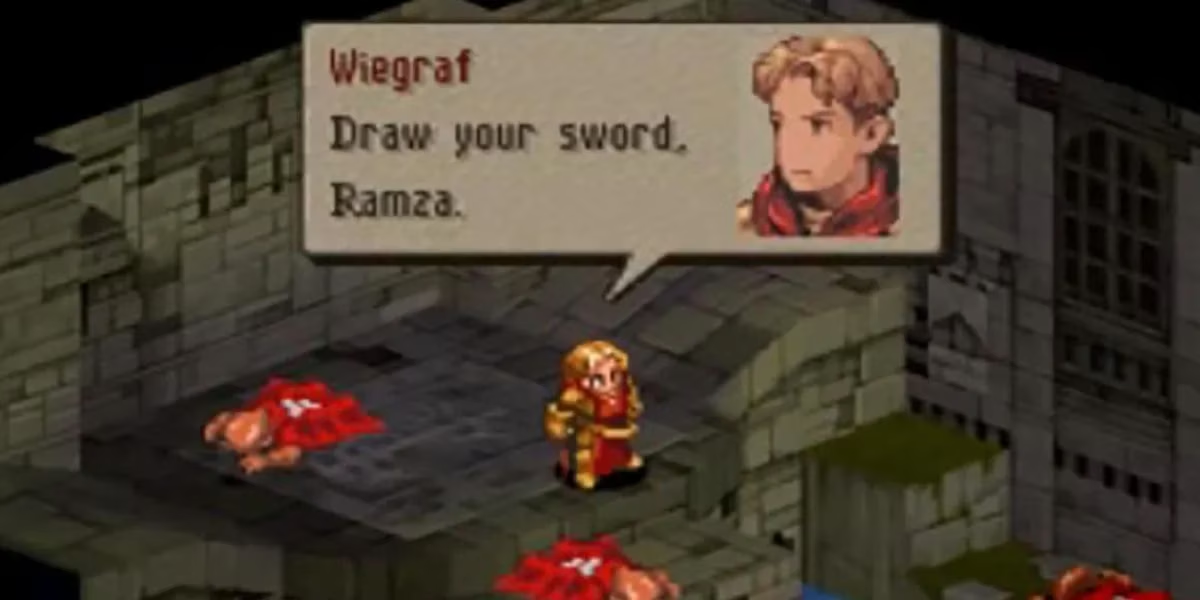
Wiegraf is the revolutionary who saw the system break everyone he loved. He started as a noble rebel, a champion for the poor and abused. But the world of Ivalice grinds down idealists like wheat at a mill. After his sister Milleuda's death—a moment that still stings—his hope curdles into a bitter resolve. He makes a deal with demonic power, trading his humanity for the strength to burn the corrupt world down. Fighting him is heartbreaking because Ramza isn't battling a monster; he's battling the ghost of a good man, a ghost that screams with his sister's voice. His defeat is the death of a dream, and it tastes like ash.
10. Veldrei (Tactics Ogre)
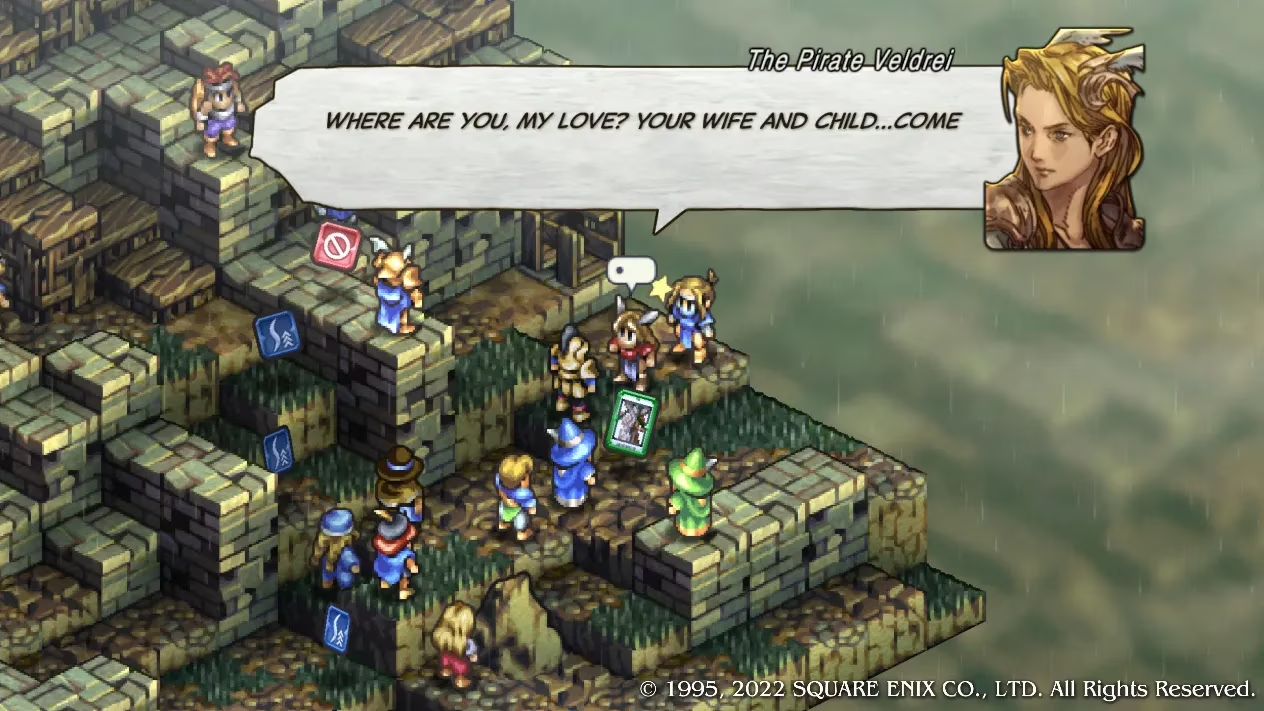
Veldrei's story is a masterclass in compact tragedy. She has maybe five minutes of total screen time, but her impact is a gut-punch. She seeks revenge for her slain pirate husband, Darza. Standard fare, right? Then, as she's dying, she reveals she's pregnant. Denam, the hero, had no idea. But she knew, and she chose vengeance anyway. It's a brutal, no-win scenario that highlights the cyclical, senseless nature of war. Her story is a sad, forgotten footnote in a grand war chronicle, and that's what makes it so devastating.
9. Psaro (Dragon Quest 4 / The Dark Prince)
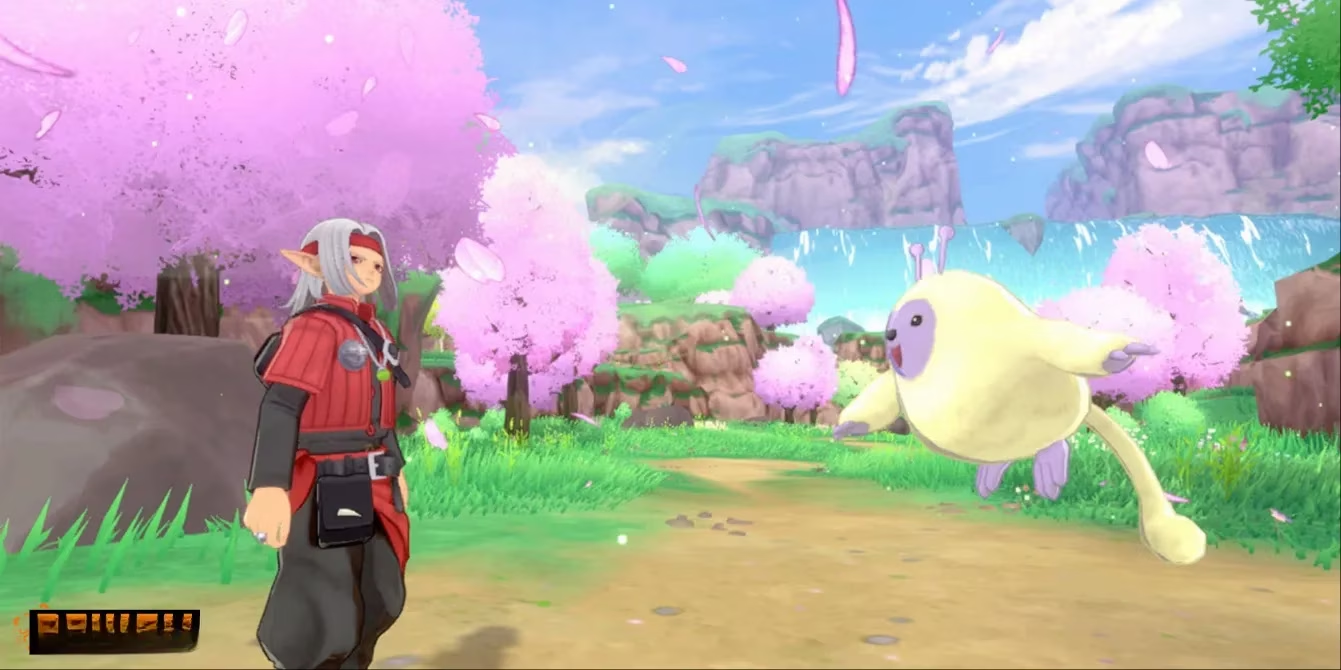
Psaro's tragedy has only deepened with time. In 2026, with Dragon Quest Monsters: The Dark Prince giving us his origin story, we now get to witness the "before" snapshot. We see him fall for Rose, we see his hope. Playing that game is like watching a romantic comedy where you already know the third act is a Shakespearean-level disaster. Knowing that Rose will be taken from him, that his love will curdle into a hatred for all humanity, makes his villainous turn in DQ4 feel inevitable and profoundly sad. He's not the Manslayer; he's a heartbroken widower with apocalyptic power.
| Villain | Core Tragedy | Why We Sympathize |
|---|---|---|
| Dhaos | Savior of another world | Fighting for a home we never see |
| Kuja | Disposable creation | A existential crisis made manifest |
| Malos | Programmed for destruction | His evil has a logical, argued foundation |
| Wiegraf | Broken revolutionary | We saw the good man he was |
8. Ardyn Izunia (Final Fantasy XV)
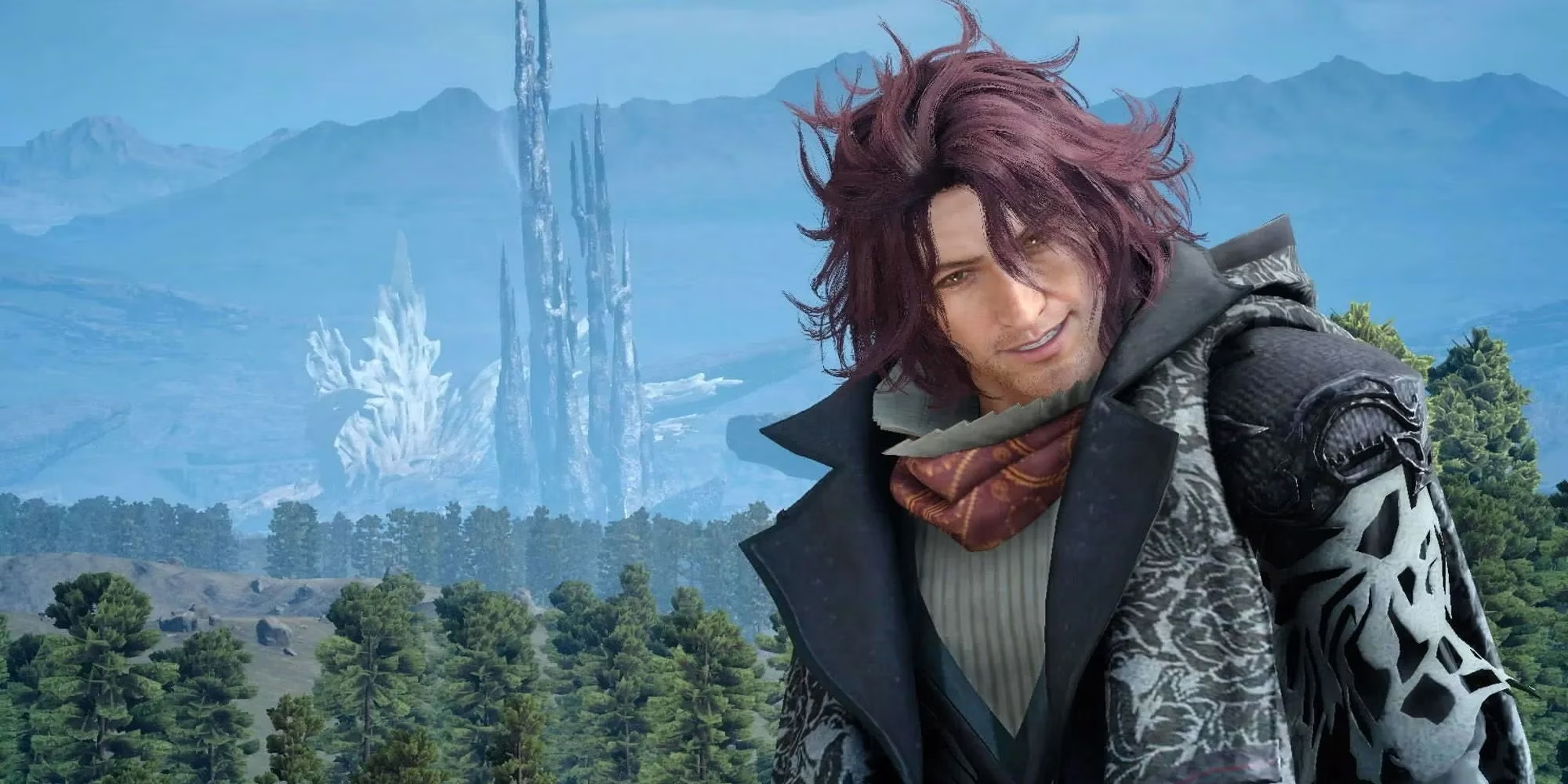
Oh, Ardyn. The man who proves that even a game with a narrative held together by duct tape and dreams can produce a top-tier villain. His backstory, fully fleshed out in the DLC, is a symphony of betrayal. He was the rightful savior, but was betrayed, demonized, and cursed to immortality by the very royal line Noctis represents. His millennia-long grudge isn't pettiness; it's the justified rage of a man who was scapegoated by history. His final confrontation feels less like defeating evil and more like enacting a tragic, preordained ritual. The guy didn't need a sword through the chest; he needed a therapist and a really long nap.
7. Renne (Trails/Kiseki Series)
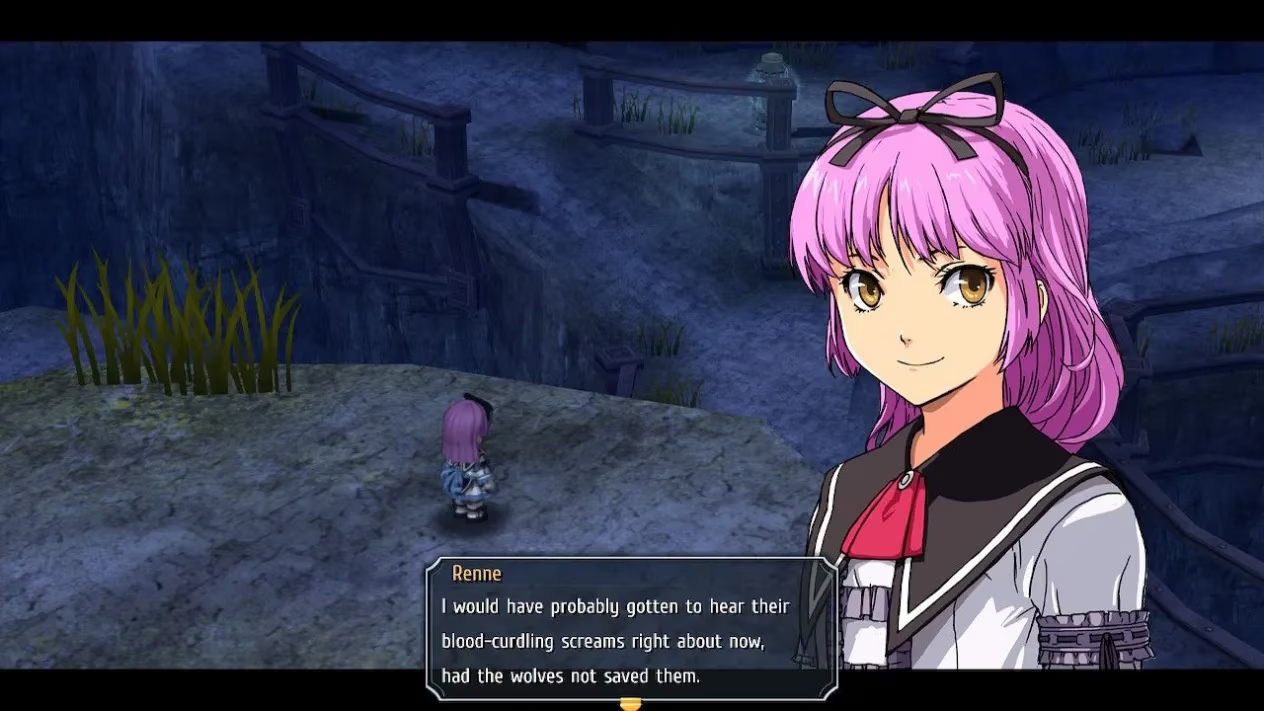
Renne is the child the world failed. Abused by a cult, she emerges not as a victim seeking help, but as the "Angel of Slaughter," a playful, murderous force of nihilism. Her evil is a suit of armor made from her own trauma. What makes her so special in the sprawling Trails saga is her redemption arc. Unlike others on this list, she gets a chance to heal, largely thanks to the relentless, sunshiney compassion of Estelle Bright. Watching Renne slowly learn to trust and live again is one of the most rewarding journeys in gaming. She's a reminder that some broken things can be mended.
6. Kahran Ramsus (Xenogears)
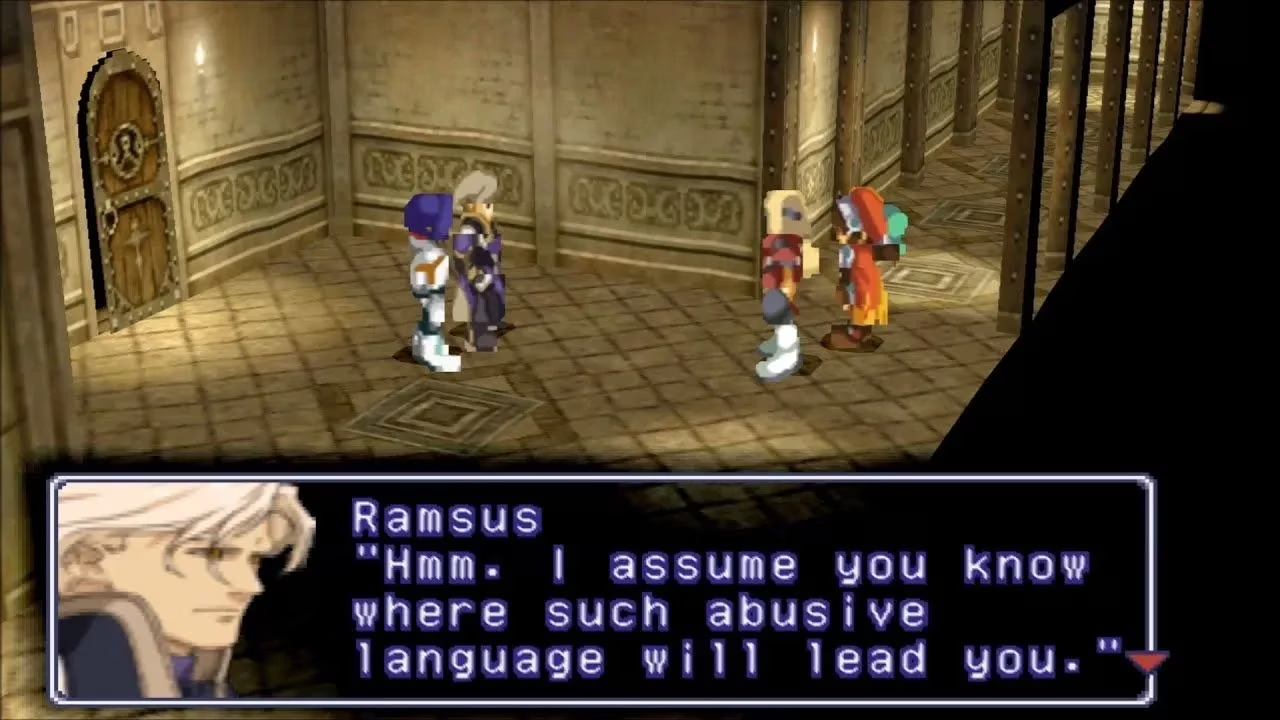
Ramsus's entire existence is an insult. He was grown in a tube to be the ultimate weapon, the chosen one. Then, his creator literally looks at him and goes, "Nah, defective model," and tosses him aside to make Fei. Imagine training your whole life for the Olympics only to be told you were just the practice dummy for the real athlete. His vendetta against Fei is fueled by the most relatable jealousy imaginable. He's not evil; he's desperately trying to prove he has worth in a universe that declared him trash before he was even born. His struggle is as existential as it gets.
5. Jowy Atreides (Suikoden II)
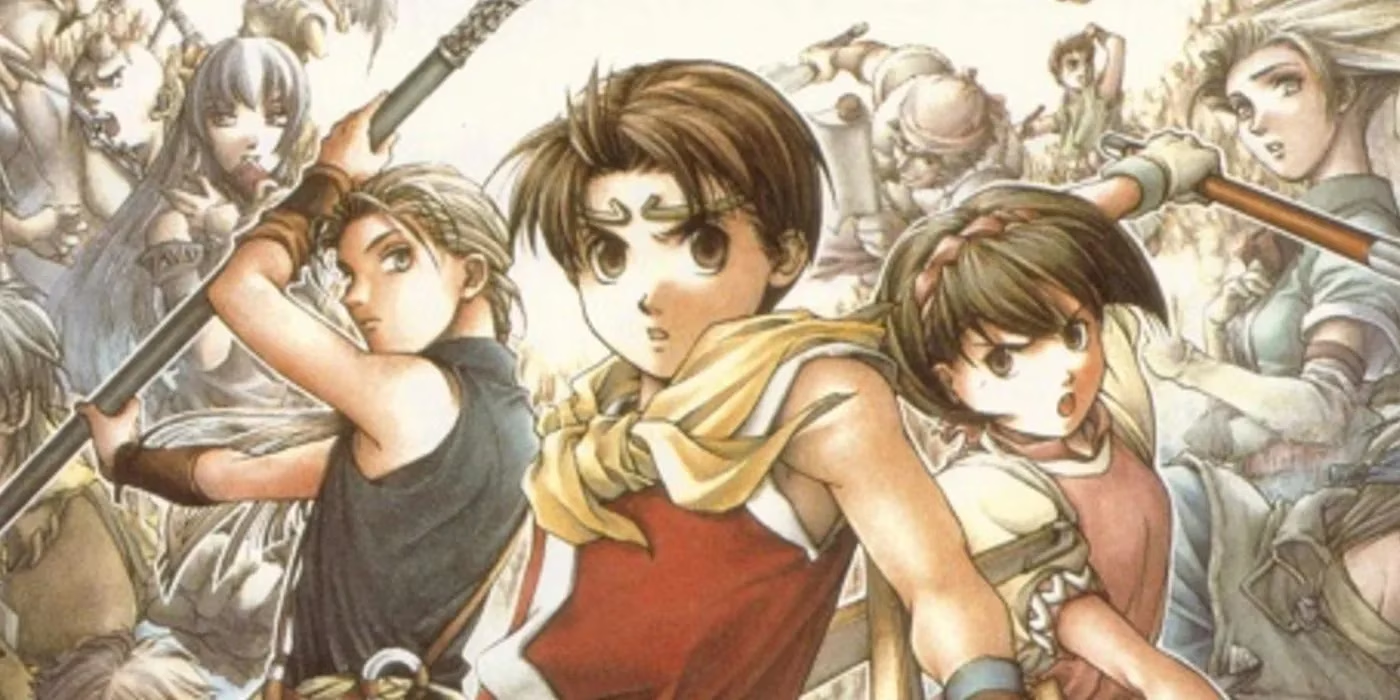
Jowy represents the ultimate friendship tragedy. He's not a monster; he's your best friend who reached a tragically different conclusion. While hero Riou fights the corrupt empire from the outside, Jowy believes true change must come from within, even if it means getting your hands dirty in the process. He's an idealist who chose a darker, more pragmatic path. The final battle against him isn't Good vs. Evil; it's Hope (External) vs. Hope (Internal). You understand his logic, even as you're forced to raise your sword against him. His story is a poignant lesson that the road to hell is sometimes paved with the best of intentions.
So, what's the common thread here? These villains teach us that the line between hero and antagonist is often just a matter of perspective and pain. They're not seeking power for its own sake; they're seeking agency, answers, or revenge in a world that denied them all three. Fighting them is often the least satisfying part of their story. Beating them feels like winning an argument by silencing the other side—you may have saved the world, but you've also extinguished a painfully human spark. And that, my fellow players, is what makes them so unforgettable. 🎮💔