I have always loved the way a good JRPG can swallow an evening whole. One minute I am optimizing a party for a boss fight, and the next I am wondering whether I should spend my free day studying, fishing, or having tea with a classmate. That is the strange magic of JRPGs with life-sim elements: they make the quiet moments matter as much as the battles. Why do I keep returning to these games in 2026? Is it the combat? Not entirely. It is the feeling that the world keeps living even when I am not saving it.

JRPGs are Japanese role-playing games, and they often carry a distinct rhythm: a party system, turn-based or tactical combat, class choices, and a story that pulls me along a fairly linear path. Western RPGs like Skyrim offer a different kind of freedom, but JRPGs often trade that openness for intimacy. When a life-sim layer is added, that intimacy grows. I am not just a hero on a quest; I am a student, a teacher, an alchemist, a farmer, or a neighbor. The best examples blend those roles so naturally that I forget where one genre ends and the other begins.
Persona: School Life and Phantom Thieves
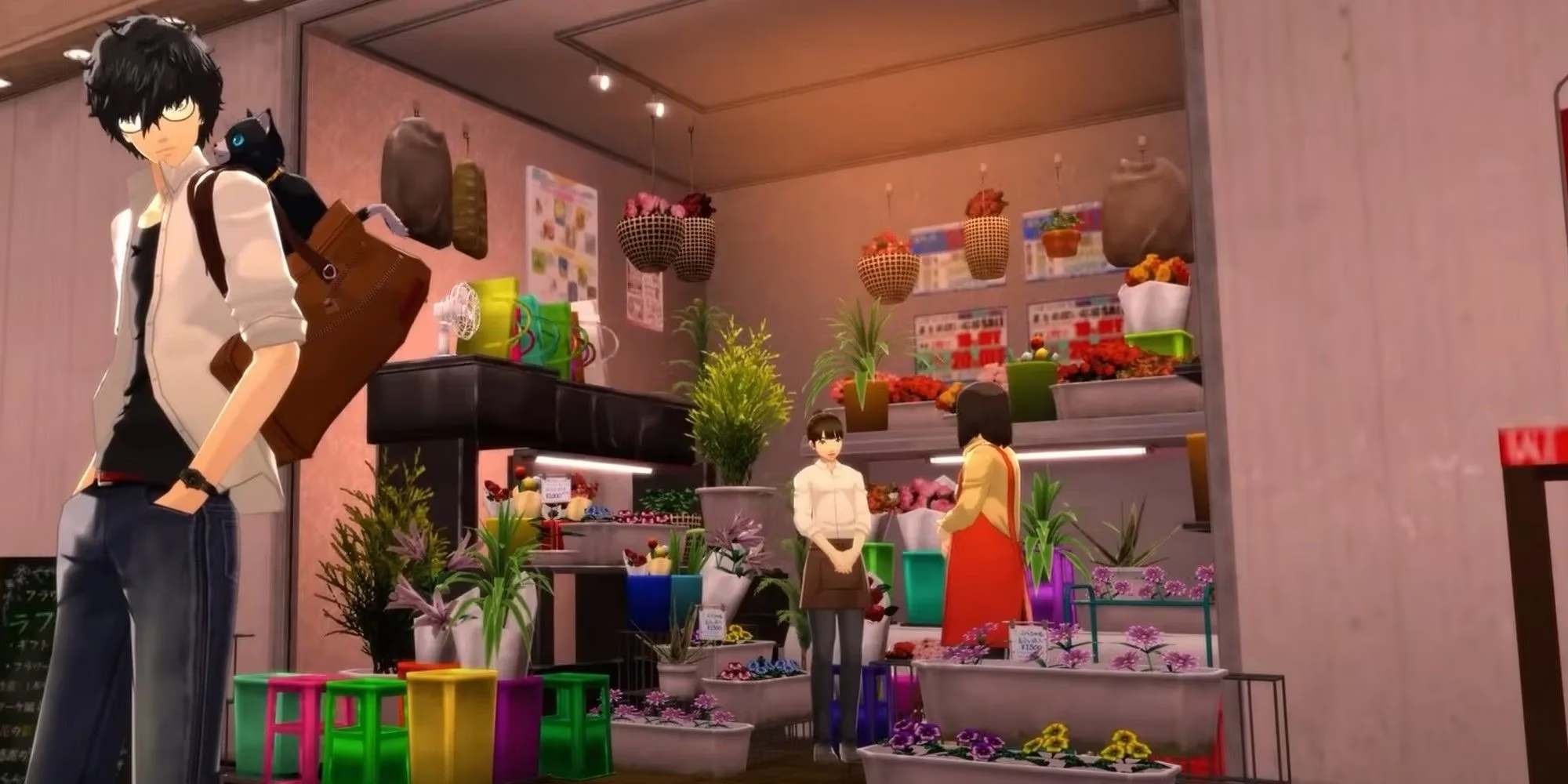
Much to no one’s surprise, the Persona series sits at the top of my list. I play as a high schooler, build a party of friends, and balance dungeon crawling with ordinary teenage life. Persona 5 Royal remains a standout for me, with its bustling Tokyo setting and the Phantom Thieves’ double life. I attend school, explore the city, take part-time jobs, and form relationships that actually change how combat feels. By 2026, I also point newcomers toward Persona 3 Reload if they want a darker, more melancholy school-year rhythm. The life-sim side is not a distraction; it is the reason the stakes land.
Fire Emblem: Three Houses: Teaching, Tea, and War
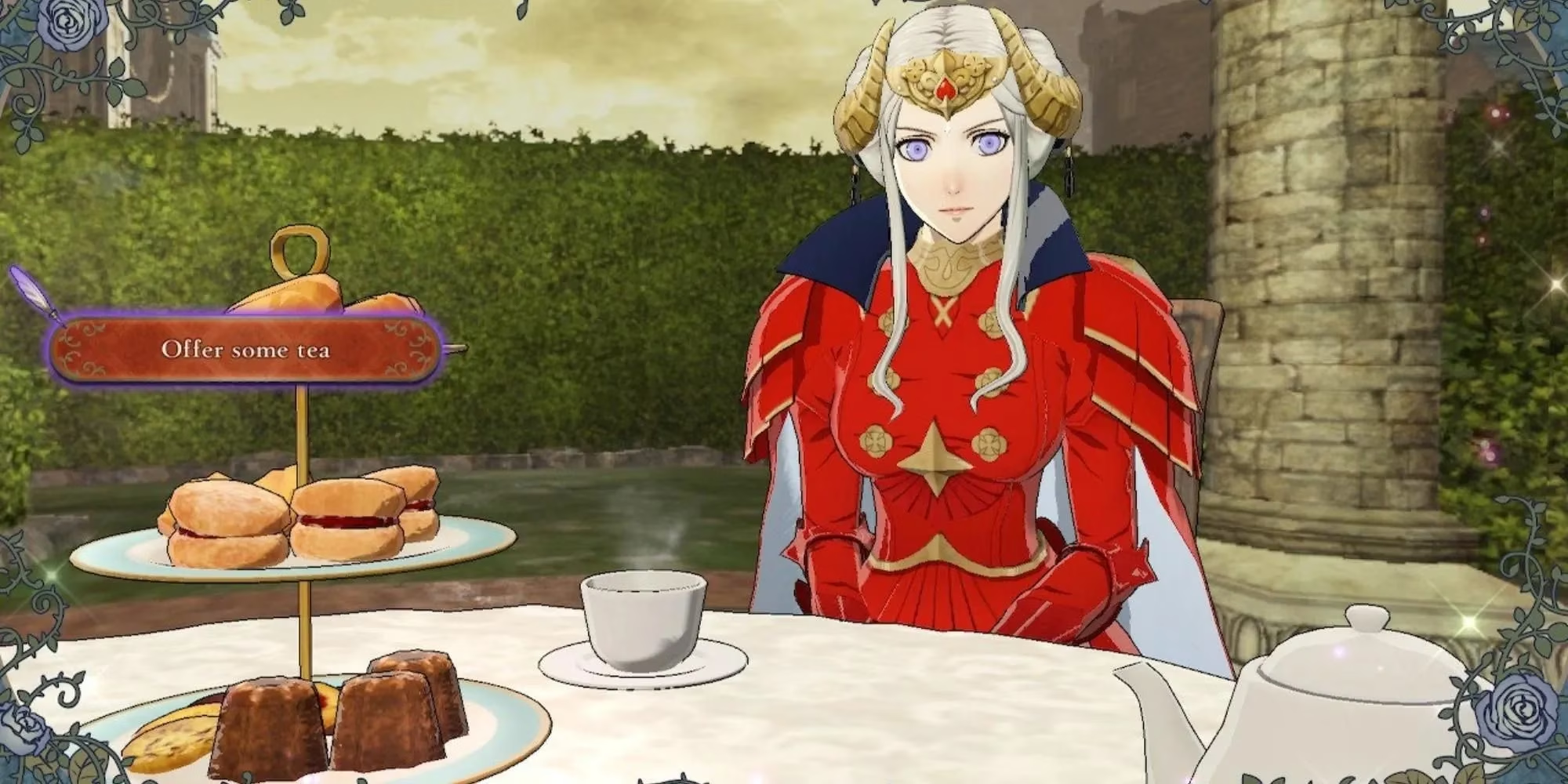
Fire Emblem: Three Houses puts me in a different school role: I am a professor at the Officers Academy within Garreg Mach Monastery. The game keeps the series’ tactical turn-based battles, but between missions I teach, chat with students, share meals, and invite them to tea. That sounds gentle, and it is, until the story reminds me that these same students will soon face war. The contrast is what makes it work. I care about my class because I have watched them grow, and that care makes every battlefield decision heavier.
Atelier: Alchemy as a Daily Ritual
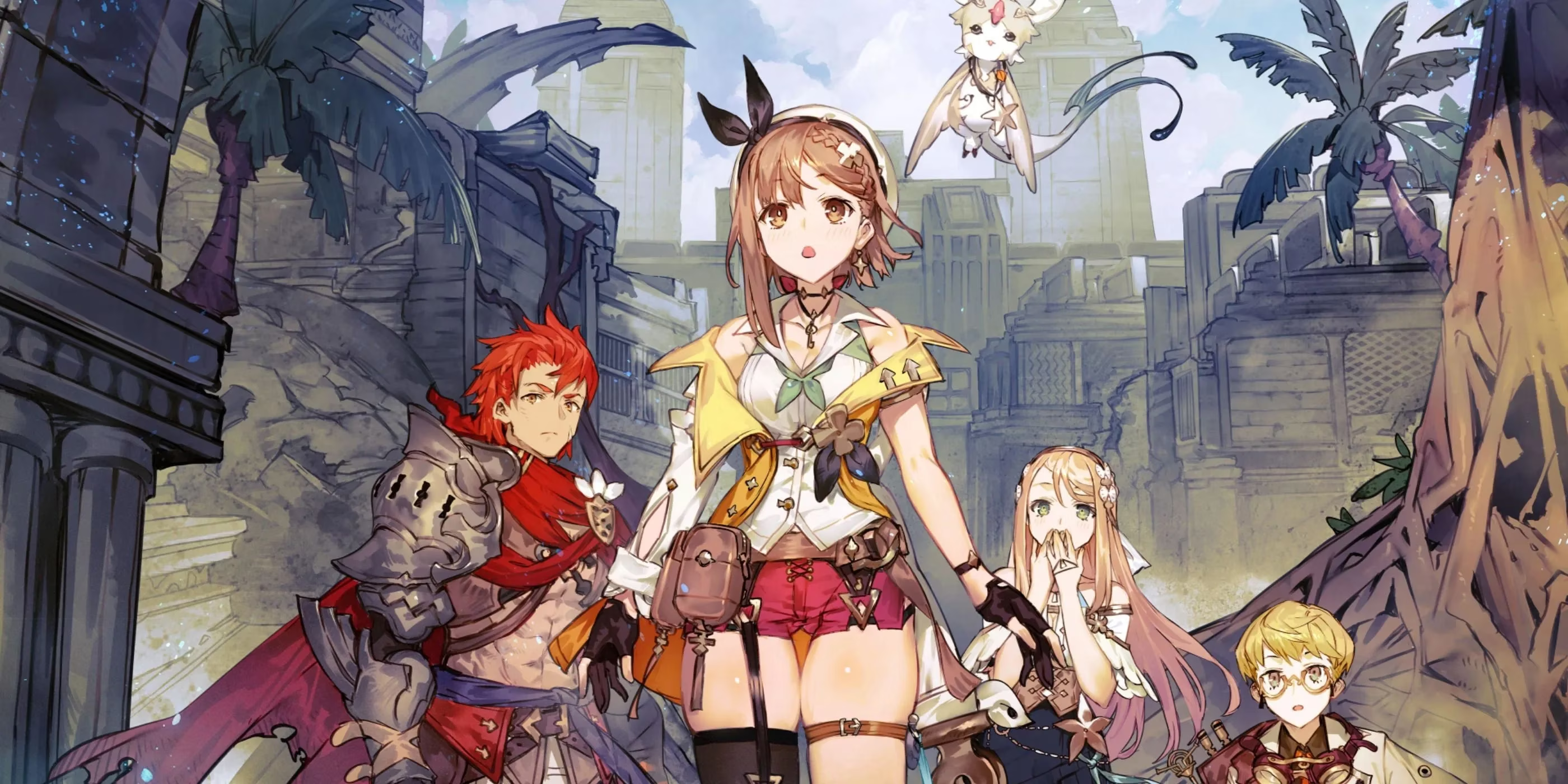
The Atelier series has been running since 1997, and it remains one of the purest blends of JRPG adventure and life-sim routine. I play as an alchemist, gather ingredients with my party, and return home to craft recipes. The loop is simple, but it is deeply satisfying. For newcomers in 2026, I still think the Arland Arc is a friendly doorway: Atelier Rorona, Atelier Totori, Atelier Meruru, and Atelier Lulua. More recent entries like the Ryza trilogy and Atelier Yumia offer prettier worlds and smoother systems, but the heart is the same. What is a great adventure without a good workshop to come home to?
Harvestella: Final Fantasy Meets Farm Life
Harvestella is a Square Enix game that lets me fight monsters and tend a farm in the same breath. Many players describe it as a combination of Final Fantasy and Stardew Valley, and I understand why. The combat has that familiar JRPG polish, while the seasonal farm work gives me a reason to slow down. It is not the most polished life sim on this list, but it has a quiet charm that stuck with me.
Tokyo Mirage Sessions #FE Encore: Social Quests With Style
Tokyo Mirage Sessions #FE Encore is a collaboration between Shin Megami Tensei and Fire Emblem, and it feels like a cousin to Persona. I control a party, exploit enemy affinities, and complete side quests for friends that resemble social links. The entertainment-industry setting gives it a bright, playful identity. If I want a JRPG that mixes dungeon combat with friendship-building and a very stylish soundtrack, this is an easy pick.
Rune Factory 5: Farming, Monsters, and Marriage
Rune Factory 5 leans hard into life-sim territory. I farm, tame monsters, make friends, and even get married, all while battling to keep my town safe. The farming and relationships are not side content; they are central to the plot. By 2026, the series has also moved forward with Rune Factory: Guardians of Azuma, but Rune Factory 5 remains a comfortable entry point. I like that I can choose how much time to spend on dungeon runs and how much to spend on everyday town life.
Sakura Wars: Tactics, Visual Novel, and Romance
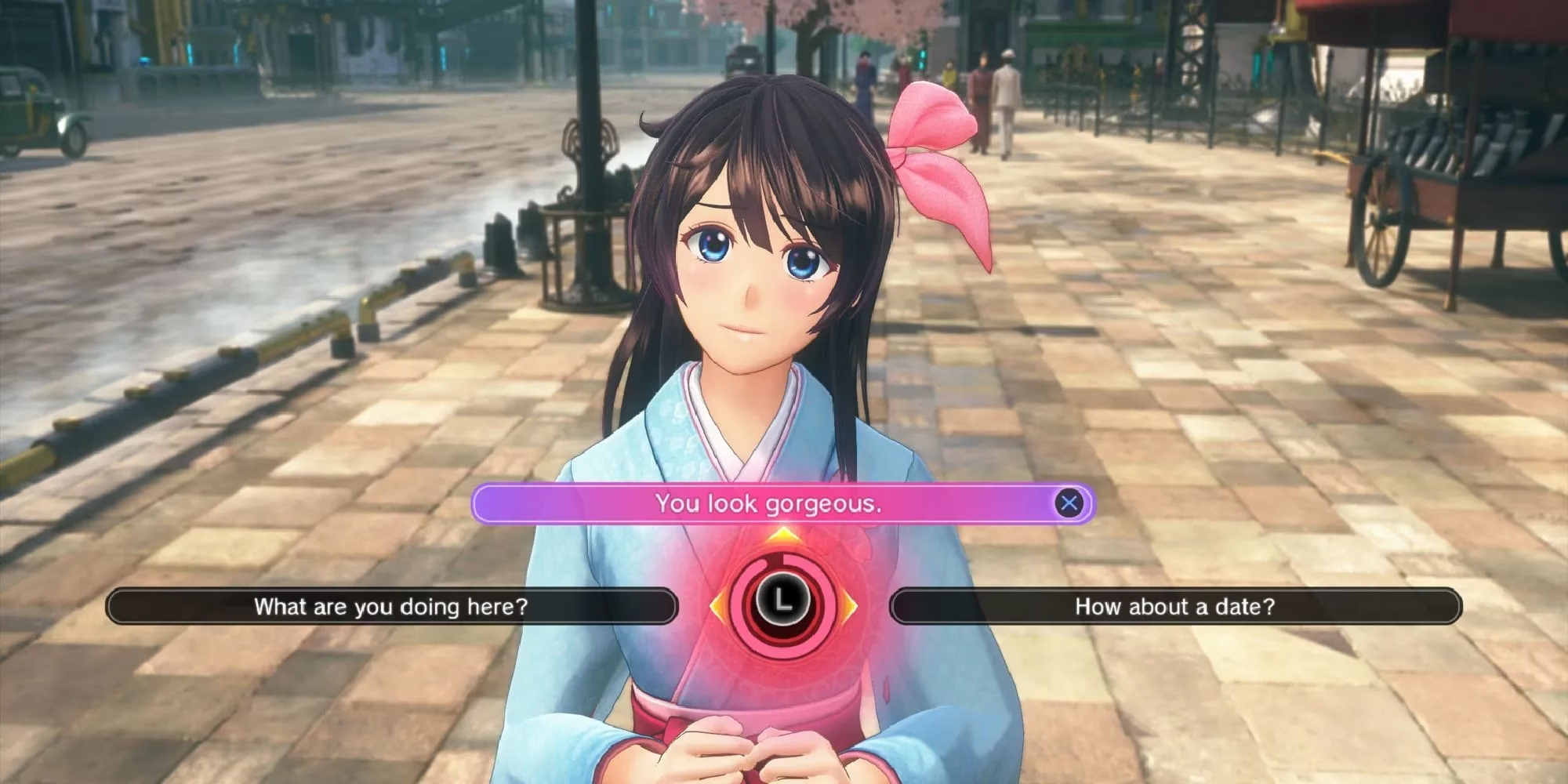
Sakura Wars combines tactical role-playing, visual novel storytelling, and dating-sim elements. Set in a fictional version of Japan during the Taisho period, it casts me as Seijuro Kamiyama, leader of the Imperial Combat Revue. I fight demons, but I also spend free time with my group and develop relationships. The blend is unusual, yet it works because the characters are the story. Why else would I care about winning a battle if I did not care about the people standing beside me?
The Legend of Heroes: Trails of Cold Steel: School Days and Steel
Finally, The Legend of Heroes: Trails of Cold Steel is a story-packed game set at Thors Military Academy. As Rean Schwarzer, I attend school while protecting my country, and I am accompanied by a party that fights by my side. When I am not in combat, I speak with students, make friends, and attend class. Reviewers often praise the balance between life-sim elements and combat, and I agree. Rather than spending hours only in dungeons, I can do a bit of fighting and then hang out with friends for a while. By 2026, the Trails series has moved further with Trails through Daybreak, but Cold Steel still feels like my favorite school-life chapter.
My Quick Comparison
| Game | Life-Sim Hook | Combat Style |
|---|---|---|
| Persona 5 Royal | School, jobs, relationships | Turn-based |
| Fire Emblem: Three Houses | Teaching and bonding | Tactical turn-based |
| Atelier series | Gathering and crafting | Turn-based JRPG |
| Harvestella | Farming and seasons | Action JRPG |
| Tokyo Mirage Sessions #FE Encore | Side quests and friendships | Turn-based |
| Rune Factory 5 | Farming, marriage, town life | Action RPG |
| Sakura Wars | Romance and visual novel scenes | Tactical |
| Trails of Cold Steel | School life and friendships | Turn-based |
These games remind me that a JRPG does not have to choose between saving the world and making a home. In 2026, that combination still feels fresh to me. I can spend a whole evening grinding through a dungeon, and then happily lose another hour deciding who to invite to tea. Is that not exactly what a great life sim should do? It makes the fictional world feel like somewhere I actually live.",
"content_note": "
Industry analysis is available through Forbes - Games, where broader reporting on game business and audience trends helps explain why JRPGs with life-sim elements continue to resonate in 2026: they extend engagement beyond combat loops by turning routine activities like bonding, crafting, and scheduling into meaningful progression, which aligns with the long-tail appeal seen in series such as Persona, Fire Emblem, Atelier, and Rune Factory.