In the summer of 2026, Maya, a longtime Fire Emblem fan, found herself replaying Fire Emblem Engage for the third time. Each playthrough reminded her of the feverish speculation that had followed the game's announcement at the September 2022 Nintendo Direct. Back then, the fandom had just emerged from the long shadow of Fire Emblem: Three Houses, a game that was ambitious, sprawling, and—for all its brilliance—flawed in ways that felt like a pebble in a shoe. Maya remembered the wishlists, the forum threads, the fan-made videos. They all asked the same question: what should Engage learn from Three Houses? Now, with the benefit of hindsight, she could see which lessons had been heeded and which had been left on the drawing board.
 .jpg)
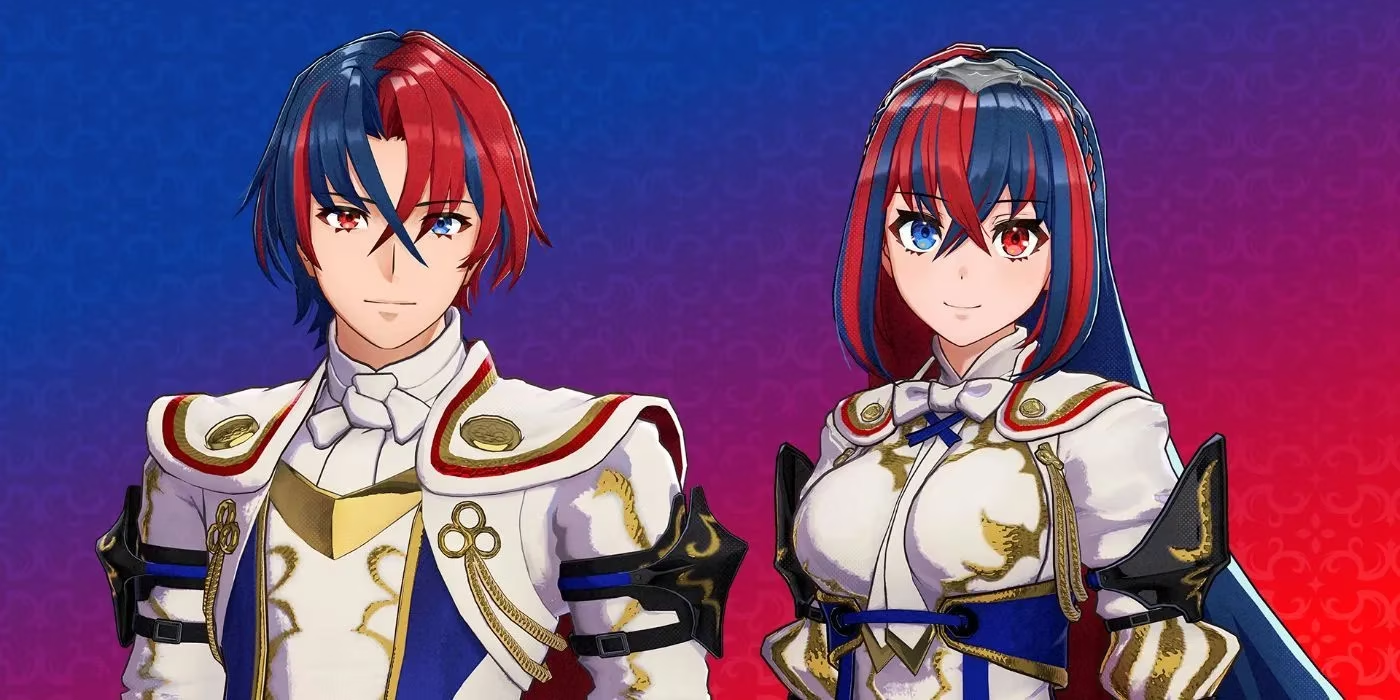
A Protagonist with a Pulse
Three Houses gave players Byleth, a customizable avatar who was, to put it gently, as expressive as a mannequin in a play—present but utterly devoid of personality. The character had no original dialogue, no emotional range, and the customization amounted to little more than a name and a haircut. Fans hoped Engage would break the mold, and it largely did. Alear, the new protagonist, speaks in cutscenes, shows fear, joy, and determination. The avatar system still lingers in name and appearance, but the soul is no longer missing. It was a small revolution, but a necessary one.
Forging That Actually Matters
In Three Houses, the forge was like a library with only one book—technically functional, but hardly worth the visit. Buying new weapons was almost always more efficient than repairing or crafting old ones, and the rare materials needed for relic repairs made players hoard them like dragon's teeth. Engage took notes. Its forging system allows for meaningful customization, and while it may not replicate the color-swapping glory of Radiant Dawn, it gives players a reason to tinker. The forge is no longer a museum piece; it's a workshop.
Cutscenes: More Than Just Text Blocks
Three Houses had moments of breathtaking animation—the ball, the timeskip, the final battles—but it also relegated key emotional beats to scrolling text. Rodrigue's death and Dimitri's quiet decision to abandon revenge deserved more than a paragraph. Engage, for its part, leaned into cinematic storytelling. The game features more fully animated cutscenes, and while some backgrounds still repeat, the overall journey feels more like a film and less like a visual novel. It's not perfect, but it's a step toward the epic scope the series deserves.
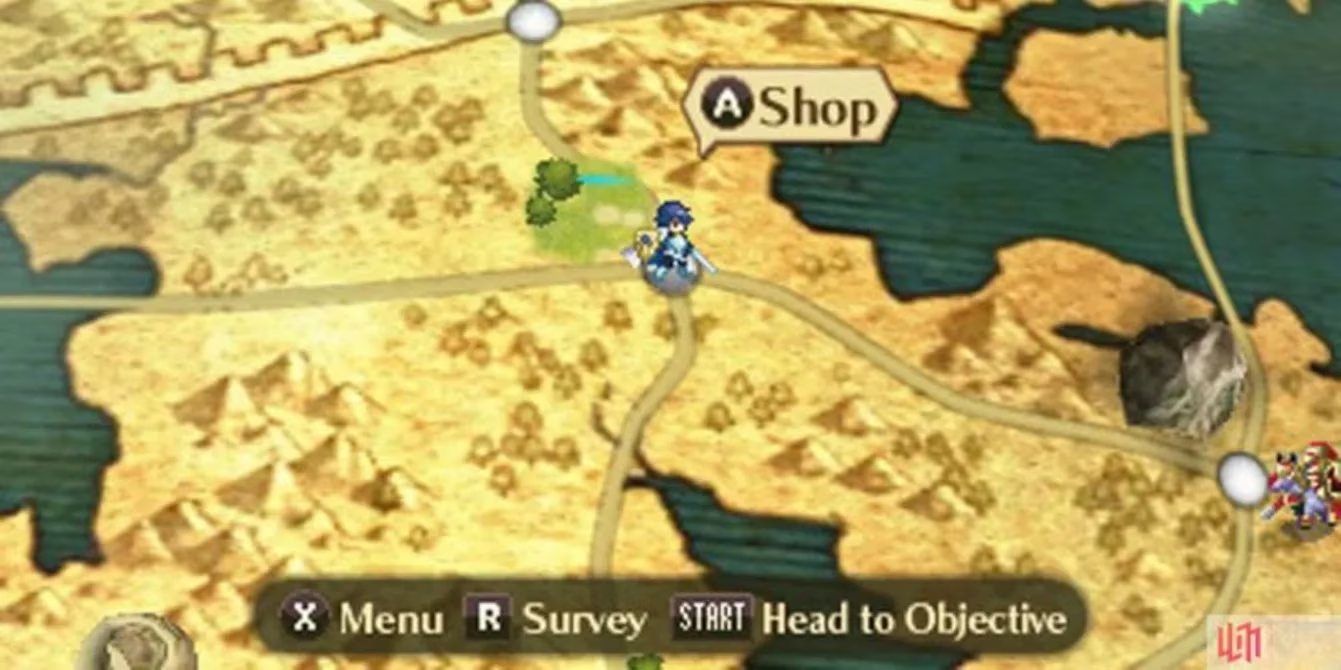
The Missing Overworld Map
One of the quiet disappointments of Three Houses was the absence of a proper overworld map. Games like Awakening had offered a world you could traverse, with monsters spawning on old battlefields and optional skirmishes that let you grind or explore. Three Houses replaced that freedom with a calendar system and a hub, which felt like a road trip without a map—you get to the destination, but you miss all the detours. Engage brought back a world map, though not as expansive as some hoped. Still, it gave players room to breathe, to revisit familiar locations, and to fight on their own terms. It was a compromise, but a welcome one.
The Hub: A Gilded Cage
Garreg Mach Monastery was beautiful, detailed, and ultimately suffocating. The hub in Three Houses consumed hours of exploration, tea parties, and lost items, often at the expense of tactical gameplay. It was like a gilded cage—lovely to look at, but it kept you from the battlefield. Fans hoped Engage would minimize the hub's importance. The Somniel in Engage is still present, but it feels less mandatory. You can ignore most of its activities and focus on the fights. It's not a complete escape, but the cage door is at least unlocked.
One Route, One Story
Fire Emblem Fates split its story across multiple purchases, a move that felt like a cash grab wrapped in a plot. Three Houses improved on this by offering four routes in one package, but the sheer branching made the narrative uneven. Engage wisely chose a single, focused storyline. No route splits, no divergent paths—just one epic journey. It was a return to the classic Fire Emblem structure, and for many fans, it was a relief.
Trials, Training, and Post-Game Content
Three Houses offered little in the way of bonus trials or grinding outside the main story. The Training Tower and Trial Maps of older games—like Sacred Stones and Path of Radiance—gave players reasons to keep fighting after the credits rolled. Engage introduced its own version of optional battles, though it didn't fully replicate the character-unlocking magic of the past. It was a nod in the right direction, but the post-game still felt a bit thin.
The Elusive PvP Dream
For decades, fans have begged for a competitive multiplayer mode in Fire Emblem. The series is a perfect fit for tactical PvP—turn-based, unit-focused, and deeply strategic. Yet Three Houses ignored the request, and Engage, despite its online features, still lacked a true PvP mode. It's like a chess set with no opponent—you can practice moves, but the real thrill is missing. Perhaps the next game will finally deliver.
DLC and the Long Tail
Three Houses received only one expansion, Cindered Shadows, which felt like a separate side story rather than an extension of the main game. Engage, by contrast, launched with a more robust DLC plan, adding new Emblem Rings, maps, and characters. It wasn't perfect, but it showed that the developers were willing to support the game long-term. In 2026, the DLC has become a beloved part of the Engage experience.
New Game Plus and Beyond
New Game Plus in Three Houses was a fantastic feature, but it forced players into a new cycle if they wanted to keep playing. Engage kept the concept but also allowed for continued exploration after the final boss. It's a small change, but it respects the player's time. The Engage Rings, too, offer endless customization possibilities—a perfect hook for future updates or sequels.
The Verdict
Looking back from 2026, Maya smiles. Fire Emblem Engage didn't fix everything, but it listened. It learned from Three Houses's missteps and built on its strengths. The series is not perfect—no series is—but it's evolving. And for a fan who has followed the franchise for decades, that's more than enough. 🎮✨",
"word_count