In 2026, Fire Emblem remains one of Nintendo's most enduring strategy RPG series, a franchise that asks players to command armies, nurture bonds, and watch kingdoms rise and fall. Since the Switch era brought Fire Emblem Engage to a wide audience, retrospectives have continued to circle one question: which entry tells the strongest story? The answers are not always kind. Some campaigns march into legend, while others stumble over predictable beats or ask fans to buy three versions to see the whole picture. The following ranking, drawn from long-running fan debate, looks back at the narratives that defined the series—and the ones that, to put it mildly, have not aged like fine wine.
| Rank | Game | Story Strength |
|---|---|---|
| 9 | Shadow Dragon & the Light Sword | Nostalgic but basic |
| 8 | Shadows of Valentia | Voice acting, predictable plot |
| 7 | The Sacred Stones | Strong dual routes |
| 6 | The Blazing Blade | Historic, but long |
| 5 | Fates | Bold split, uneven whole |
| 4 | Radiant Dawn | Epic scale, shifting focus |
| 3 | Three Houses | Emotional, replayable tragedy |
| 2 | Awakening | Bond-driven comeback |
| 1 | Path of Radiance | The complete package |
The Strugglers: Shadow Dragon and Shadows of Valentia
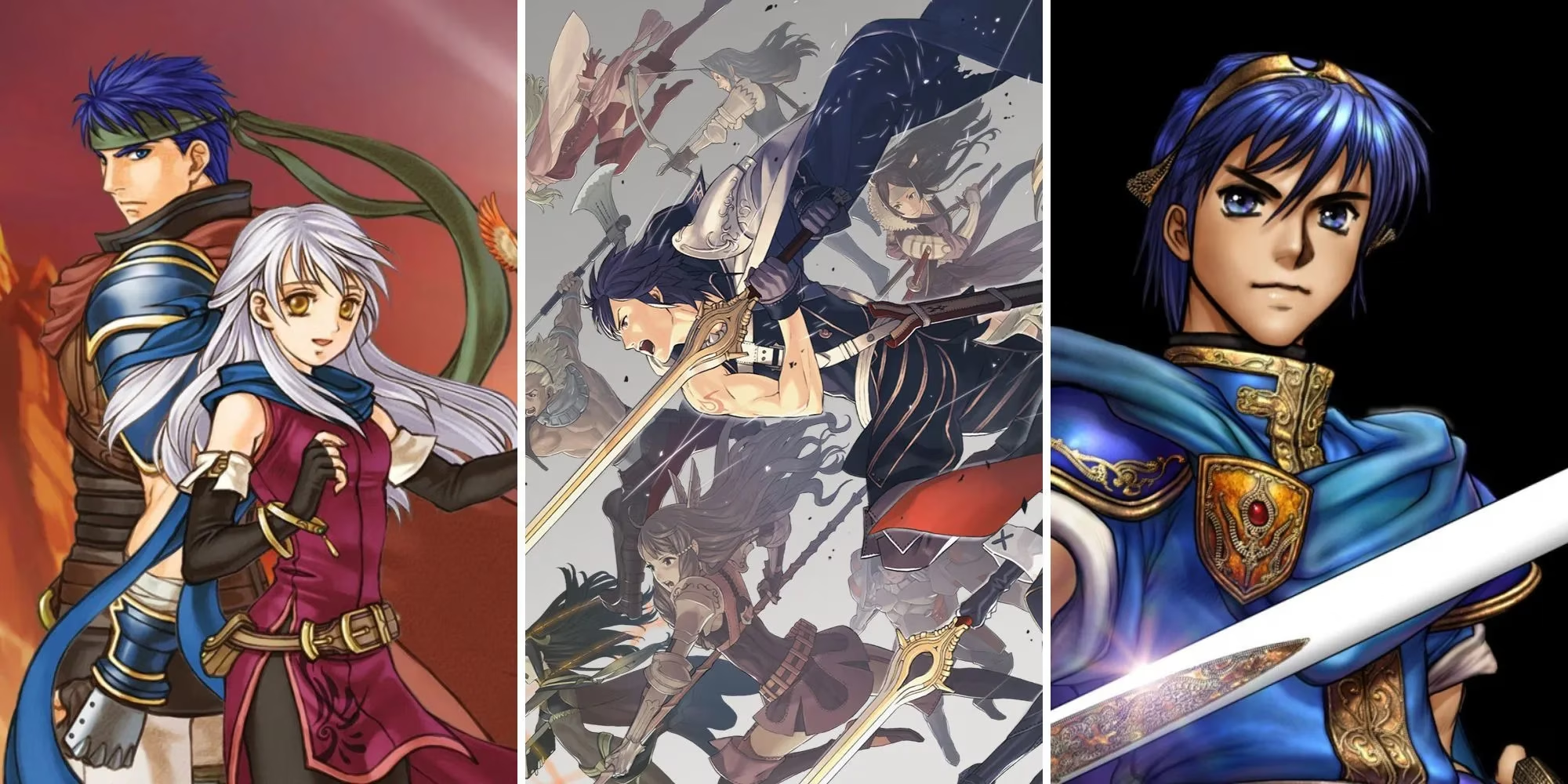
Fire Emblem: Shadow Dragon & the Light Sword, the remake of Marth's original adventure, sits near the bottom for many fans. Marth is beloved, especially after his emblem-ring cameo in Engage, but his home story feels basic. The remake's lack of support conversations removes the character interplay modern players expect. Its age shows in every line. Still, nostalgia is a powerful weapon, and reclaiming Altea as Marth can warm the coldest tactical heart. The campaign is less a sweeping epic than a historical artifact—important, yes, but not exactly gripping.
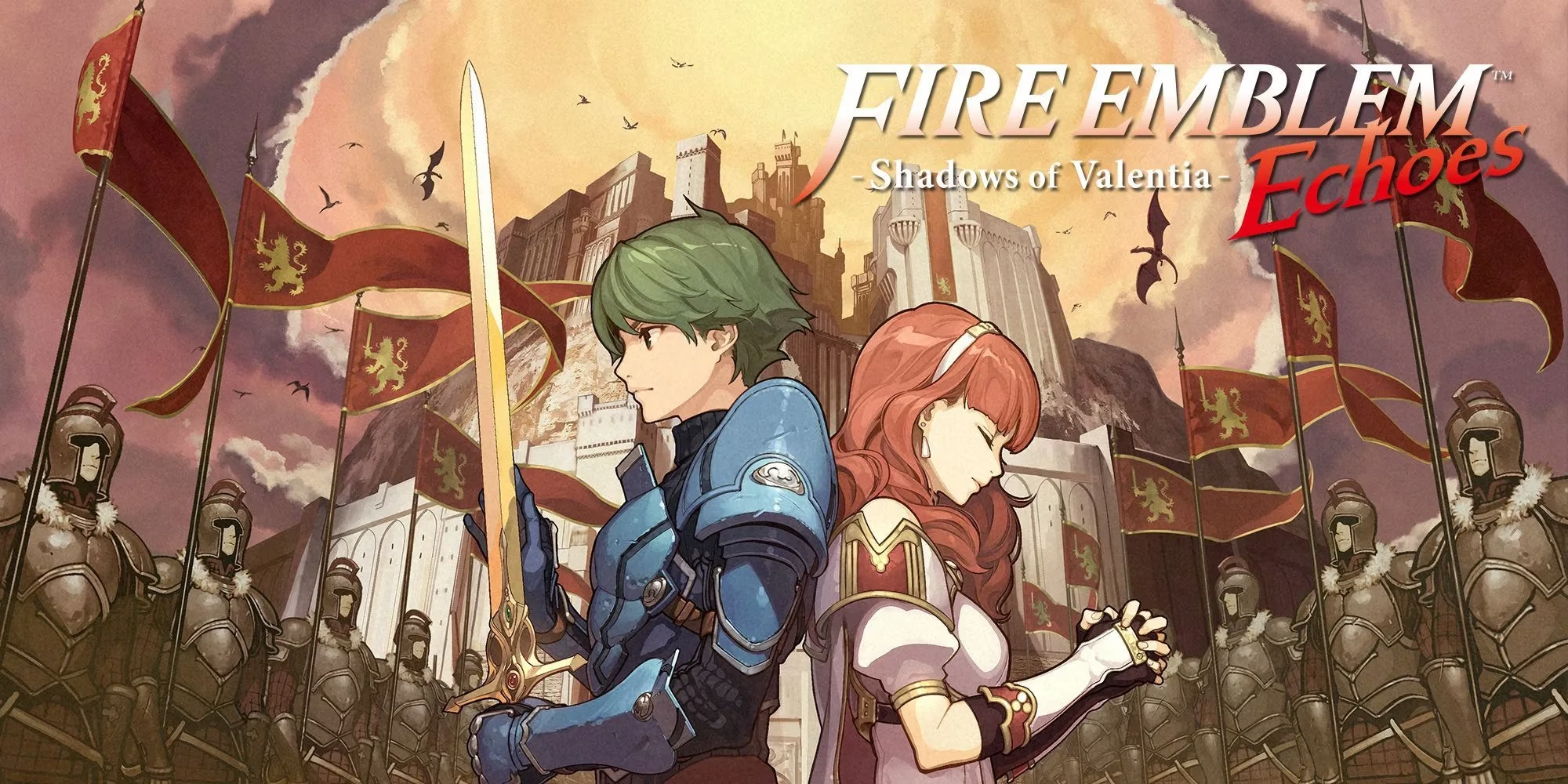
Fire Emblem Echoes: Shadows of Valentia fares a little better. As the remake of Fire Emblem Gaiden, it brought full voice acting to the series for the first time, and its presentation remains gorgeous. The support conversations won praise. Yet the central plot is straightforward and predictable, a tale that rarely surprises. It entertains, but it does not haunt.
The Dual Campaigns: The Sacred Stones and The Blazing Blade
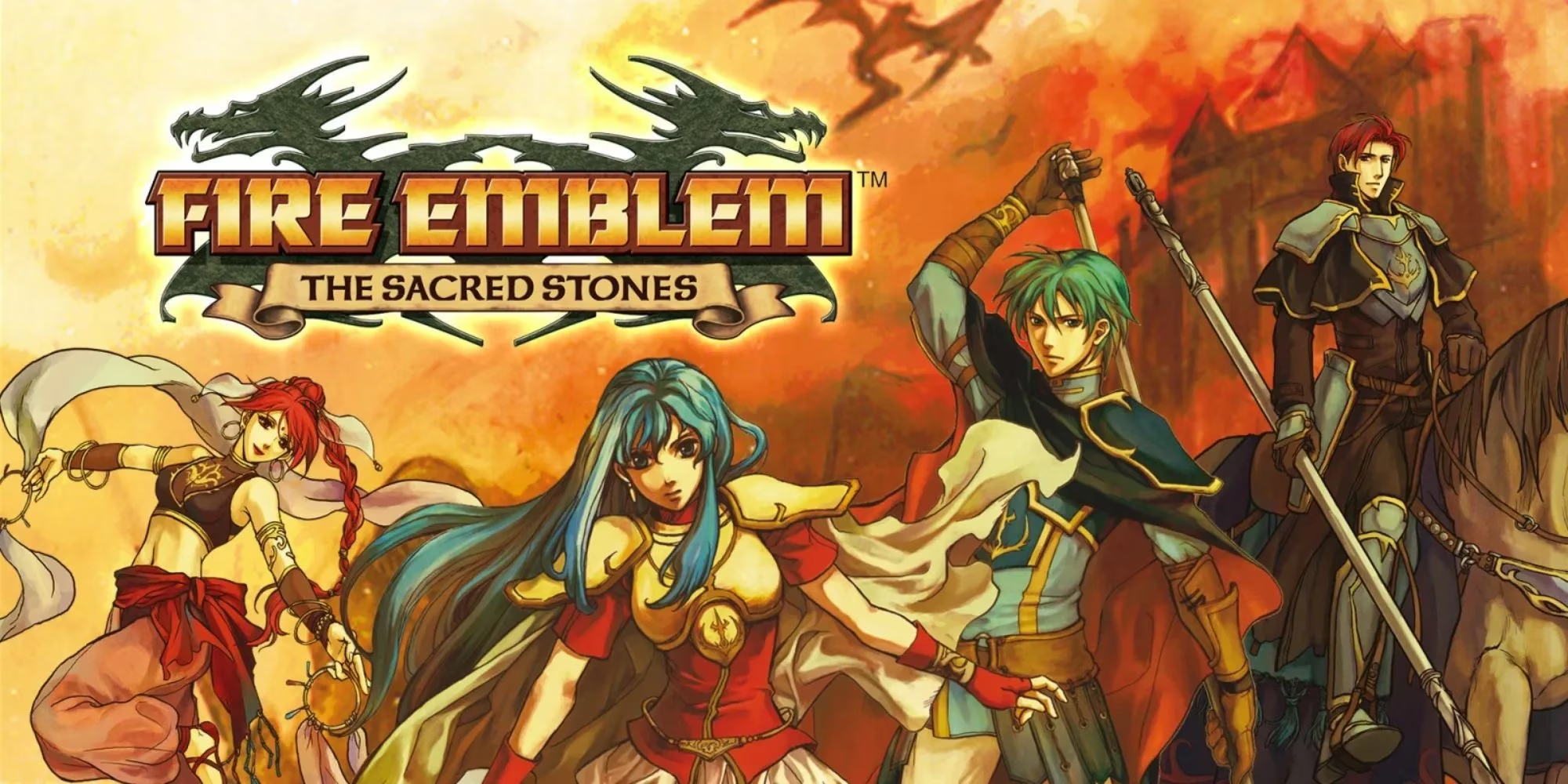
The Game Boy Advance era bowed out with a bang in Fire Emblem: The Sacred Stones. Siblings Ephraim and Eirika anchor a story of betrayal, demon summoning, and two separate routes packed into a single cartridge. Choosing between the siblings gives the narrative replay value, and Ephraim's path generally earns more praise; Eirika's route can feel like a tour of allied nations rather than a personal odyssey. Even so, the game's split structure was ambitious for its time.
Fire Emblem: The Blazing Blade holds a special place as the first Fire Emblem released outside Japan. Lyn, Eliwood, and Hector each carry memorable backstories, and their adventures opened the floodgates for international fans. The catch? It is the longest of the seven games released up to that point, and that length can make the story drag. Great beginnings do not always equal great pacing.
The Ambitious Splits: Fates and Radiant Dawn
Fire Emblem Fates tried something bold: three games, three choices, one Corrin. Birthright, Conquest, and Revelation each ask Corrin to side with a different family, and the result is a narrative that can feel fragmented unless players buy every version. Birthright is often favored over Conquest, while Revelation serves as a bridge that unites both sides. The emotional core—Corrin's bond with their birth and adopted families—can be moving, but the whole picture is expensive and uneven. Fans still argue about it, and that argument itself says something.
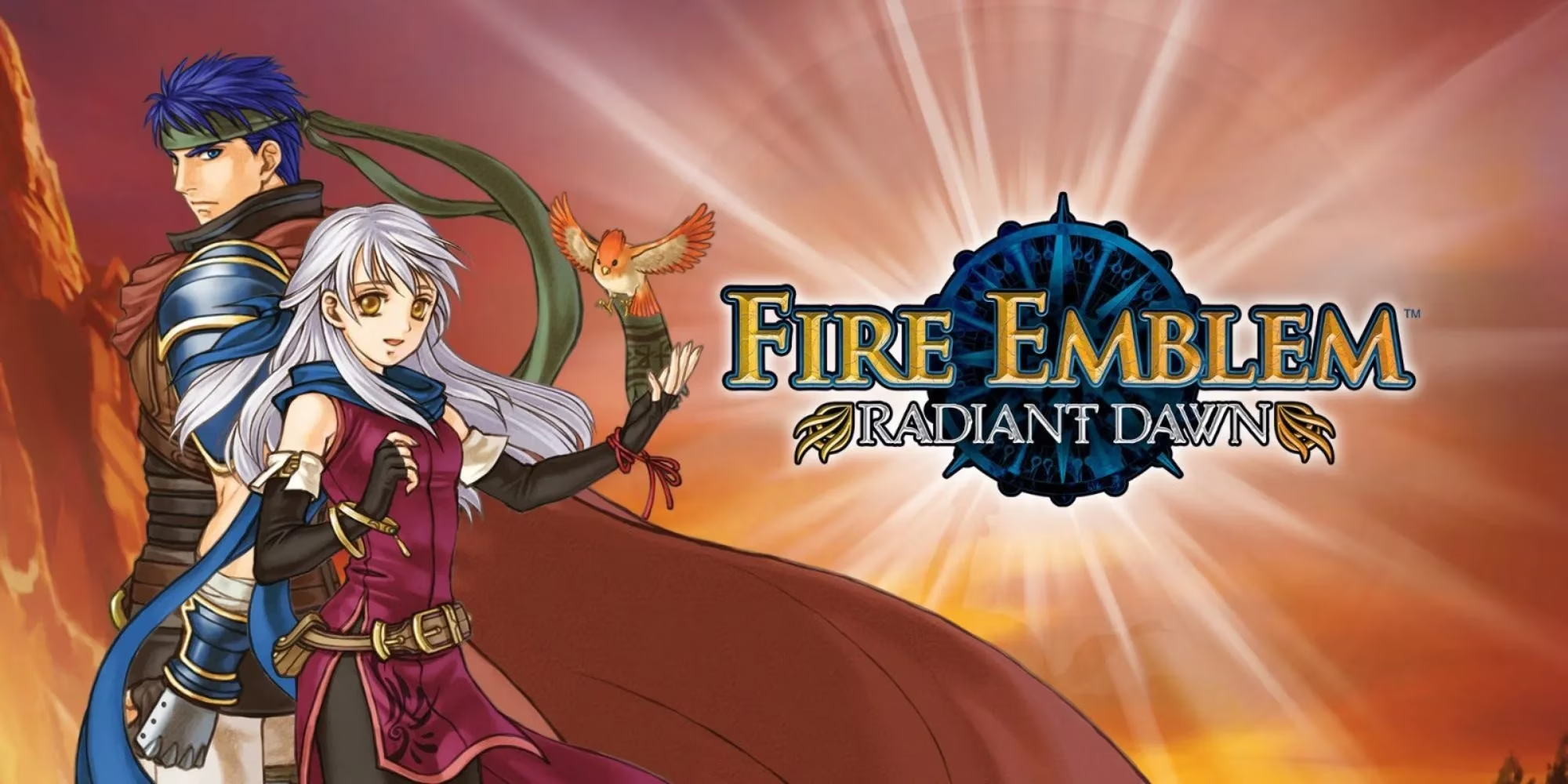
Radiant Dawn follows the aftermath of Path of Radiance's Mad King's War, splitting its story among Micaiah, Elincia, and Ike. Their paths eventually converge against a reawakened god determined to end humanity. The scale is epic, and the payoff is satisfying, even if the shifting perspectives dilute individual arcs. It is a sequel that rewards patience.
The Modern Greats: Three Houses, Awakening, and Path of Radiance
Fire Emblem: Three Houses turned teaching into tragedy. Players guide one of three houses at Garreg Mach Monastery, then return years later to a brutal war where former students become enemies. The emotional weight of killing characters you once instructed is immense, and Byleth's mysterious past adds a compelling spine. Unlike Fates, Three Houses lets players experience every route in one package, making its fractures feel like features rather than paywalls. It is a game that wears its heart on its sleeve—and then breaks it.
Fire Emblem Awakening sparked controversy among veterans, but its focus on supports and bonds gave the series new life. Robin, Chrom, and Lucina are all woven into the larger plot, and the time-traveling children who return to aid their parents create some of the franchise's most memorable moments. The story is not perfect, but it hits different when the final battle arrives and every bond you built suddenly matters.
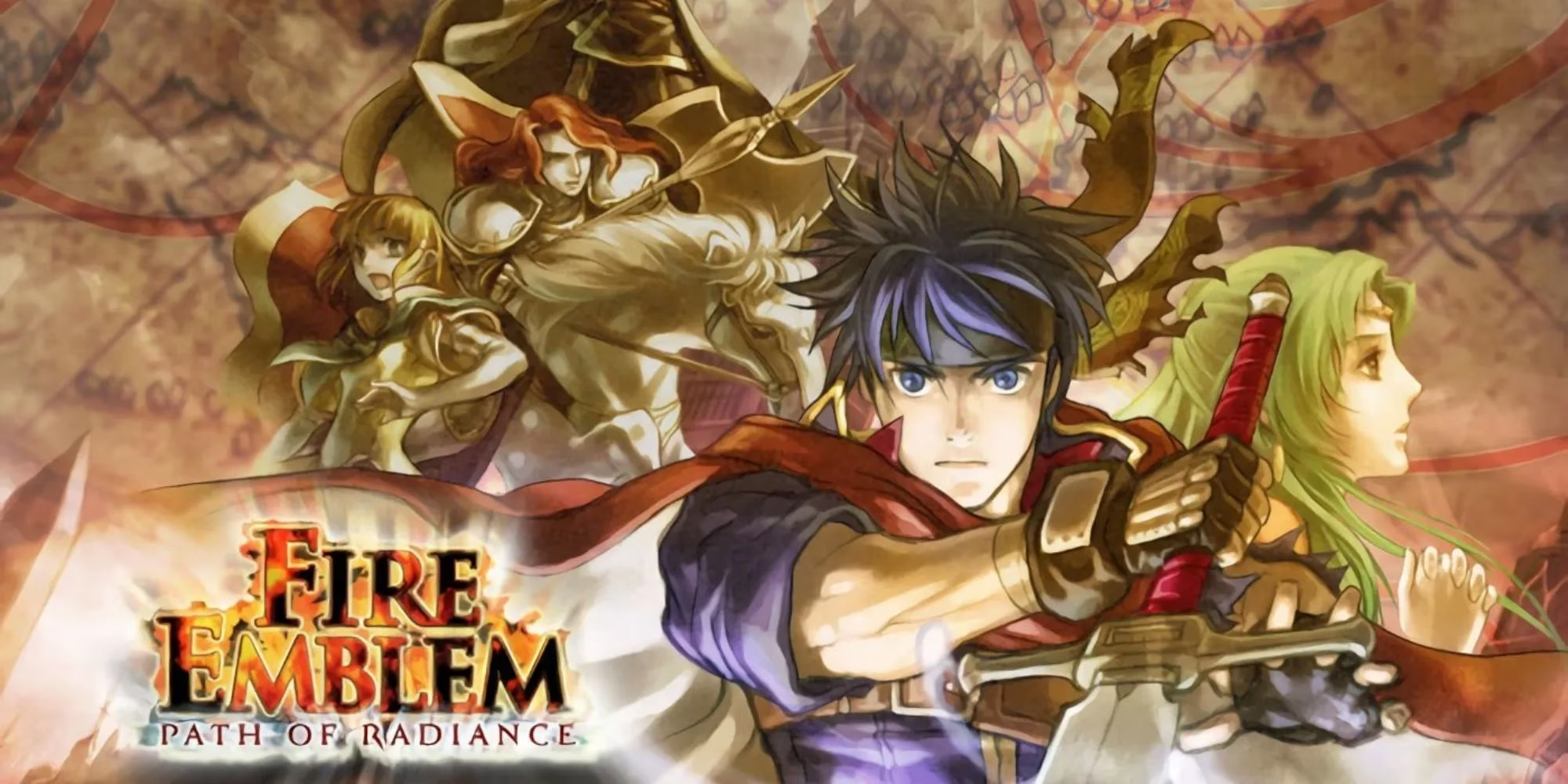
At the top stands Fire Emblem: Path of Radiance. Ike's journey from young mercenary to leader, his assistance to Princess Elincia, and his reckoning with the Black Knight who killed his father form a near-perfect Fire Emblem narrative. It is a coming-of-age tale, a war story, and a revenge saga rolled into one. The game does not blink when it comes to loss, and that honesty is why so many fans still name it the best.
As 2026 continues, Fire Emblem Engage remains an accessible entry point on Switch, but the series' storytelling legacy stretches far beyond any single ring. Some stories are legends. Some are lessons. And some, like a certain Black Knight, simply refuse to be forgotten.