The WarioWare series has always thrived on controlled chaos. Its main structure asks players to tackle rapid microgames before a shrinking timer runs out, and hidden inside that frantic loop are playful references to many parts of Nintendo history. Some cameos celebrate cozy favorites, while others transform beloved heroes into stress-inducing puzzles. The following entries highlight the most memorable Nintendo callbacks scattered across WarioWare: Get It Together, Smooth Moves, and Gold.
10 Nintendo Badge Arcade
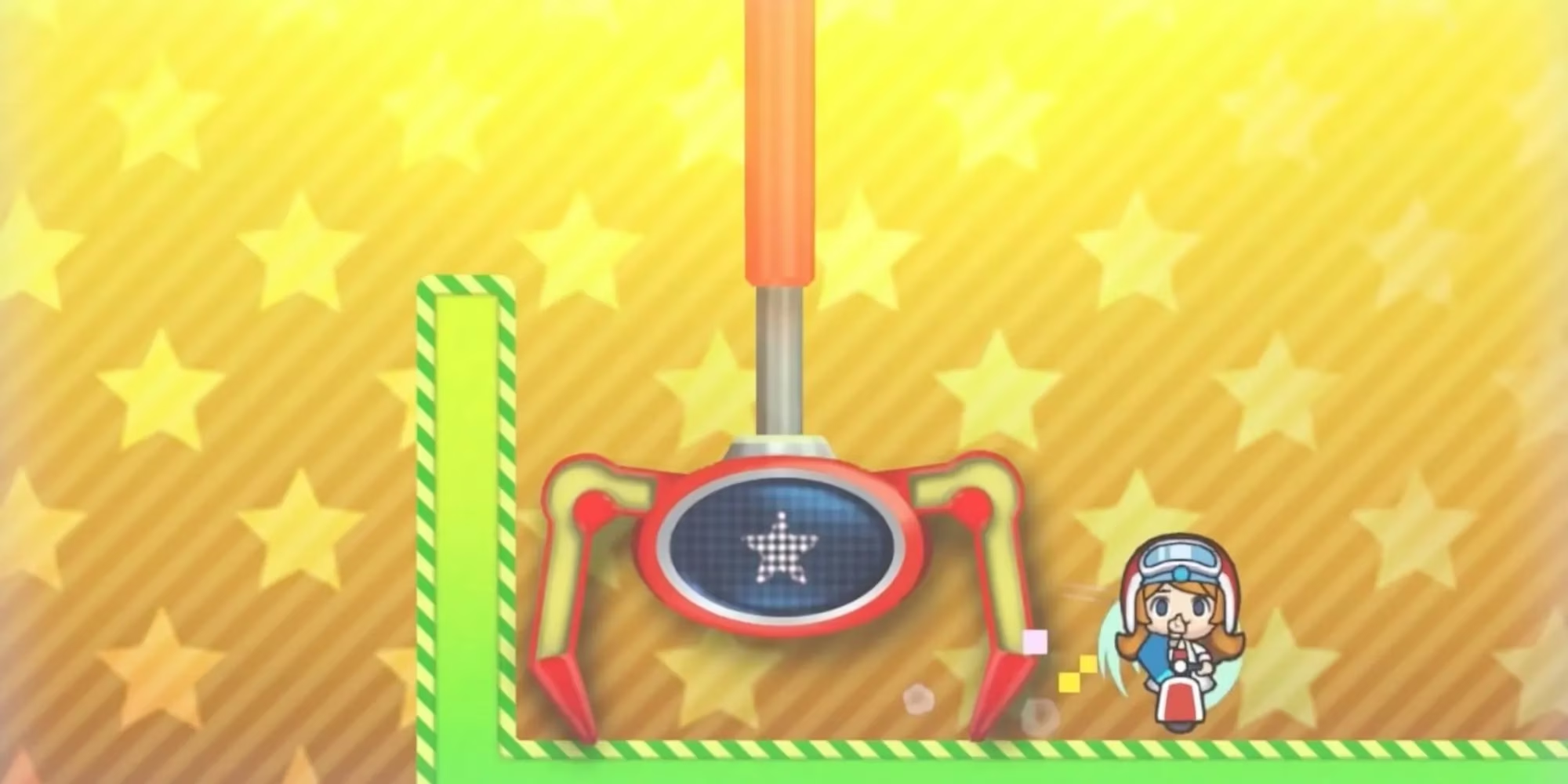
When the Nintendo 3DS was still active, Nintendo Badge Arcade offered daily claw-machine pulls and let players decorate their home screens with collectible badges. The concept faded after the handheld retired, yet WarioWare remembered it. In WarioWare: Get It Together, the badge-crane setup returns as a microgame task. Players must operate the claw carefully, grabbing prizes under pressure. It is a small tribute, but one that felt especially nostalgic for 3DS owners.
9 Animal Crossing: New Leaf
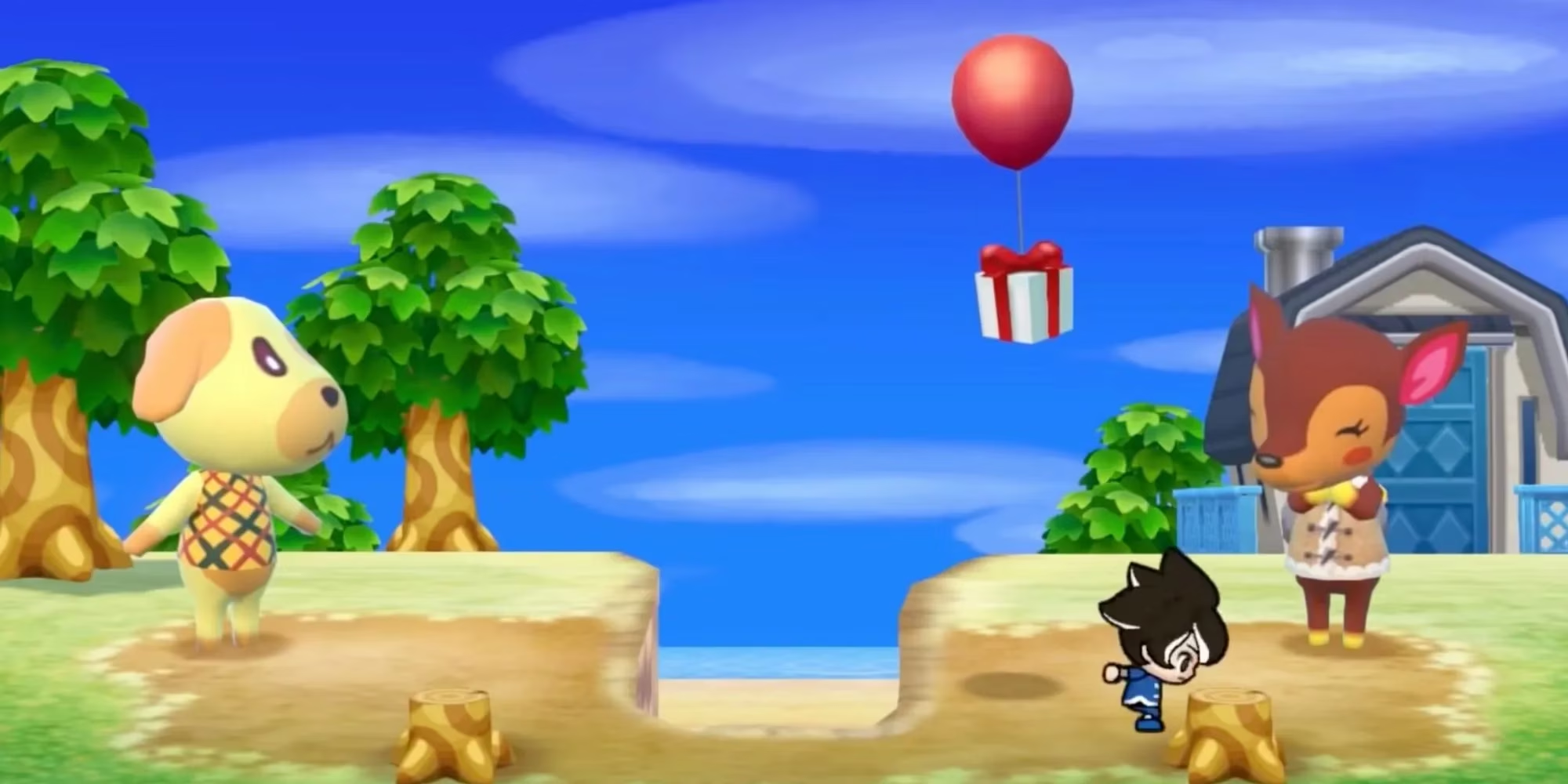
Animal Crossing normally invites players to slow down, fish, garden, and chat with villagers. The WarioWare version ignores all that serenity. In Get It Together, the microgame focuses on delivering a balloon present to an animal villager. Players have to time their interactions perfectly, because one careless move sends the gift tumbling into a ditch. The cheerful villagers may look adorable, but the ticking clock makes the mission far more tense than any island getaway.
8 Super Metroid
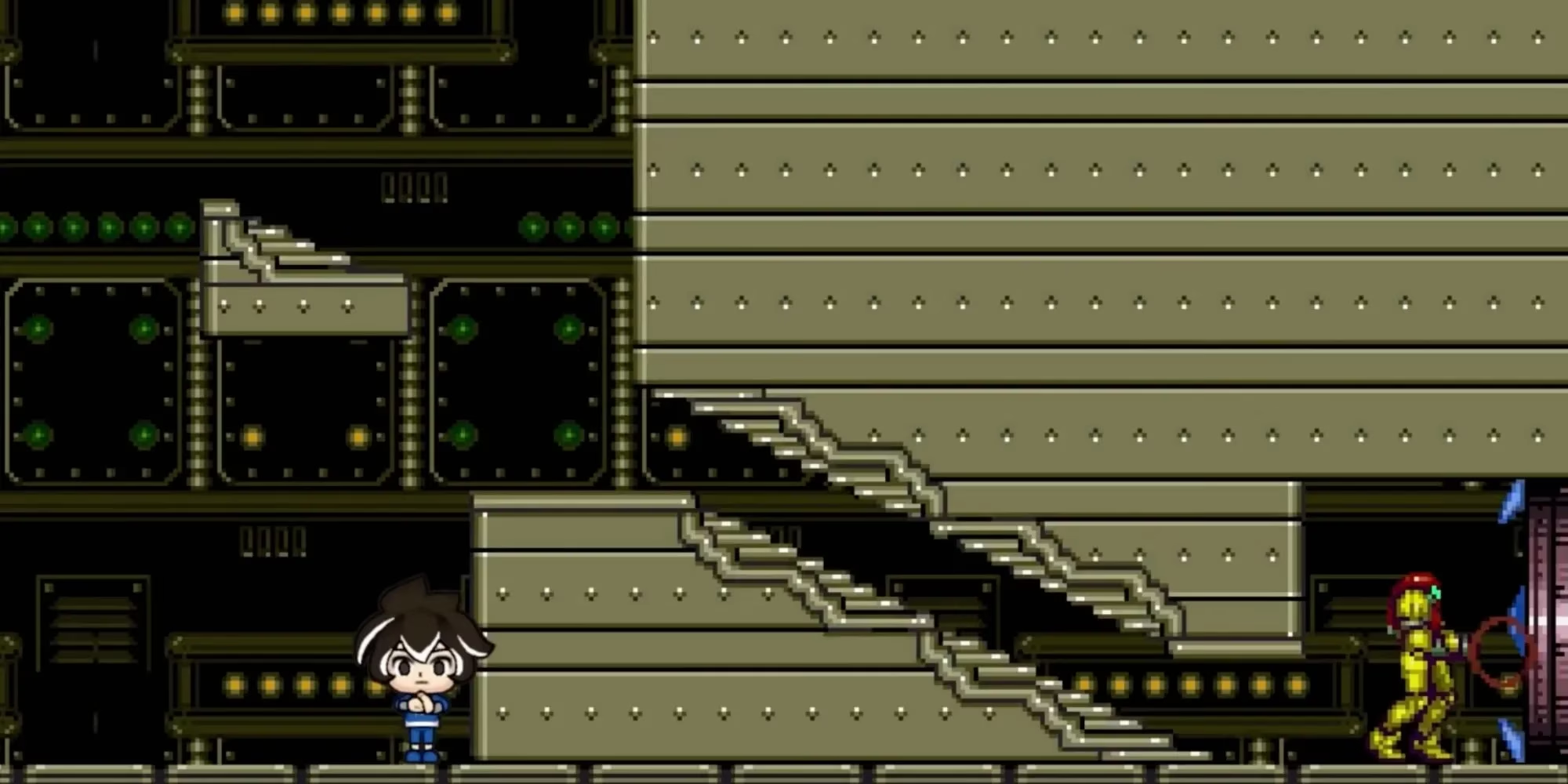
Samus Aran usually hunts space pirates and alien threats across sprawling maps. In the WarioWare series, her appearances are much shorter. One notable mission in Get It Together asks players to guide the armored hero to a goal. Depending on which WarioWare character is selected, this objective ranges from straightforward to awkward. The reference captures Samus's iconic orange suit and even encourages a Morph Ball moment, though without the usual interplanetary stakes.
7 Pikmin 2
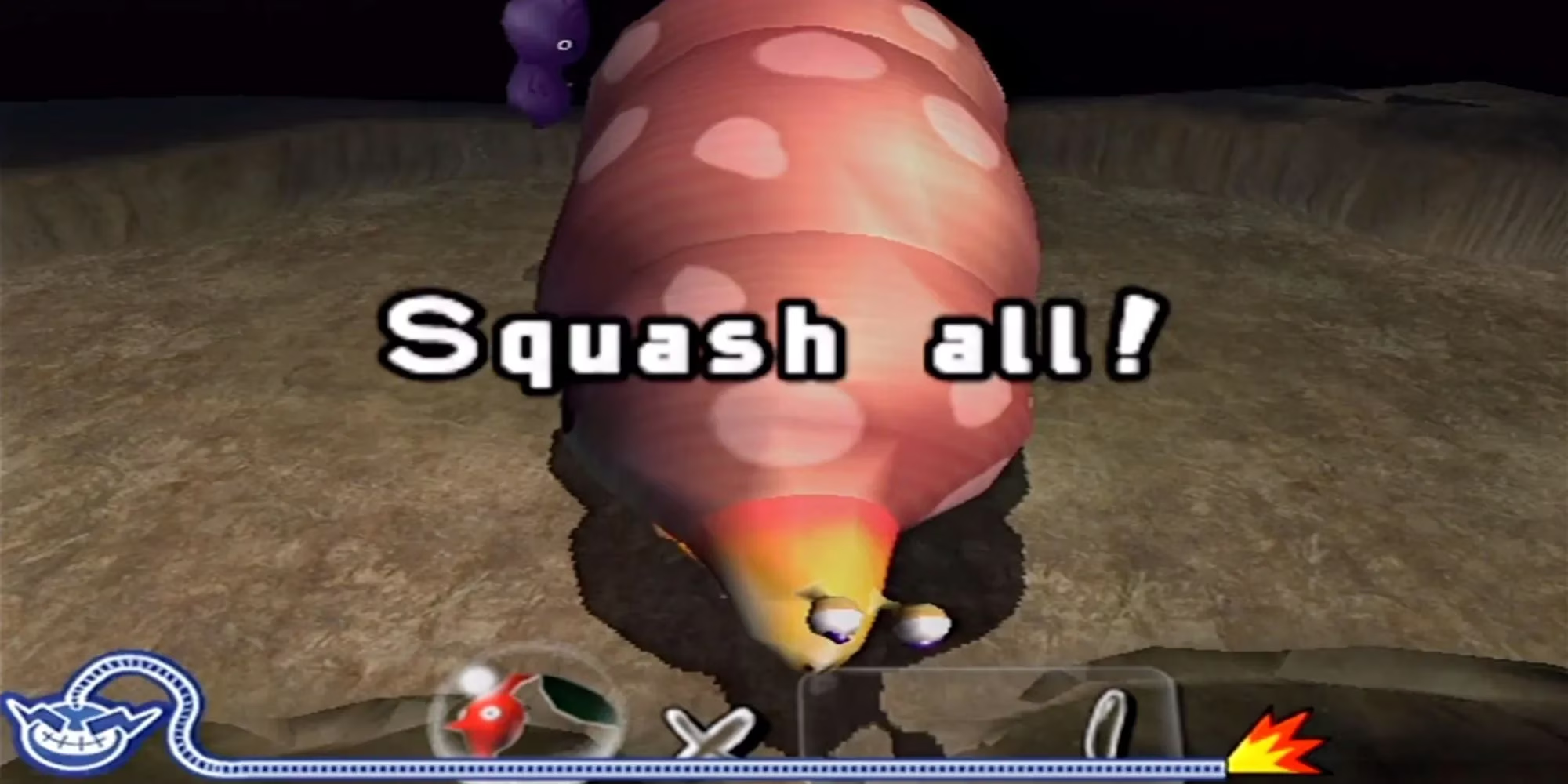
The Pikmin games hide danger behind a charming art style. Everyday survival often involves predators, environmental hazards, and the loss of tiny plant allies. WarioWare: Smooth Moves and WarioWare Gold turn that formula upside down. Instead of commanding Pikmin, players control the enormous Empress Bulbax and roll over the creatures. It is an unsettling perspective shift that turns a fearsome boss fight into a quick microgame. Fortunately, this grim little cameo did not return in Get It Together.
6 Splatoon 2
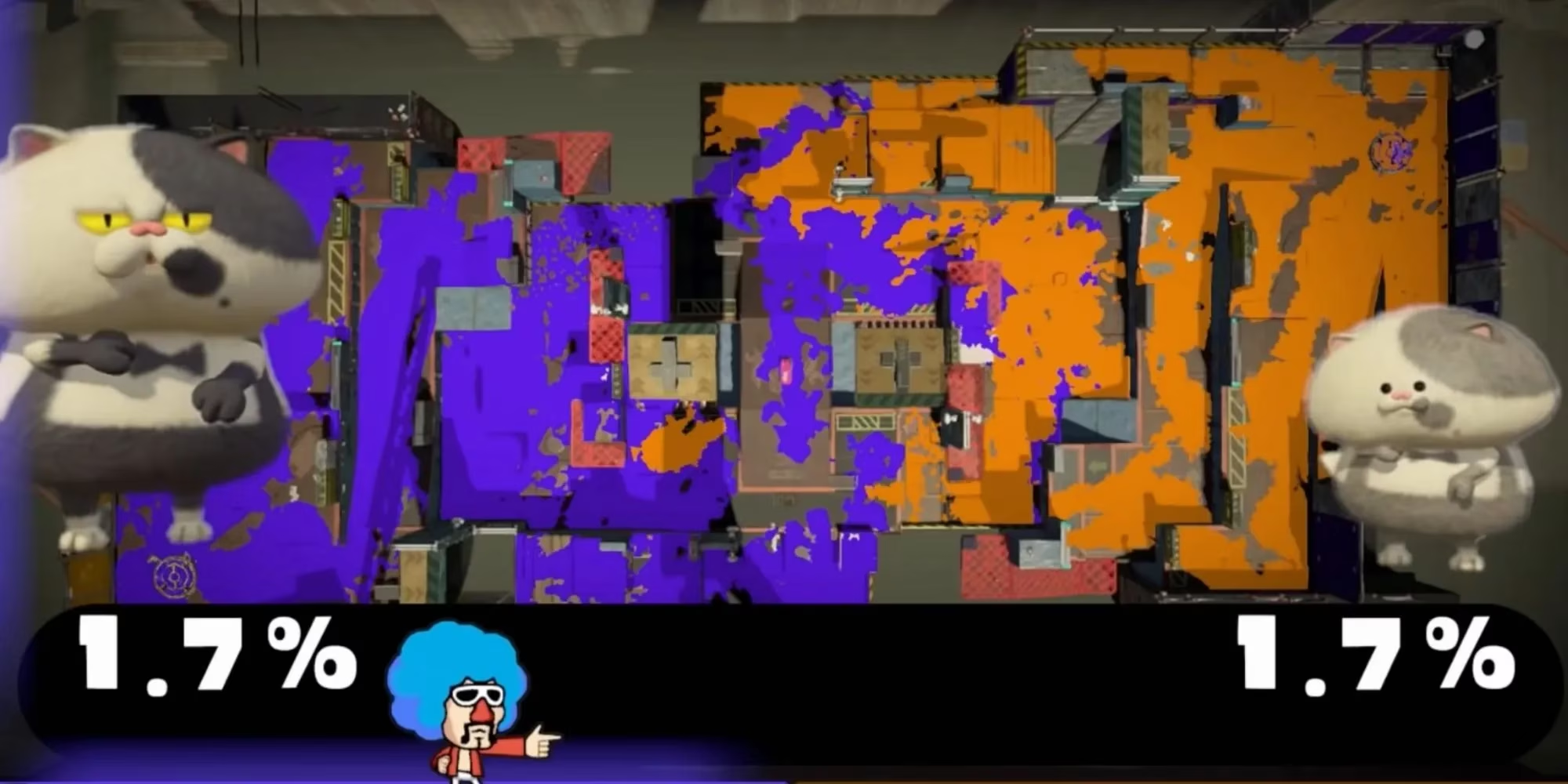
Not every reference is violent or stressful. The Splatoon 2 microgame in Get It Together draws from the competitive Turf War mode. Here, players choose which side actually won the match, stepping into the roles of Judd and Li'l Judd. What makes the tribute effective is its use of authentic map models and Splatoon 2 victory music. It feels like a condensed broadcast of a live event. Success triggers the familiar winning tune, rewarding fans with a burst of musical nostalgia.
5 Fire Emblem: Three Houses
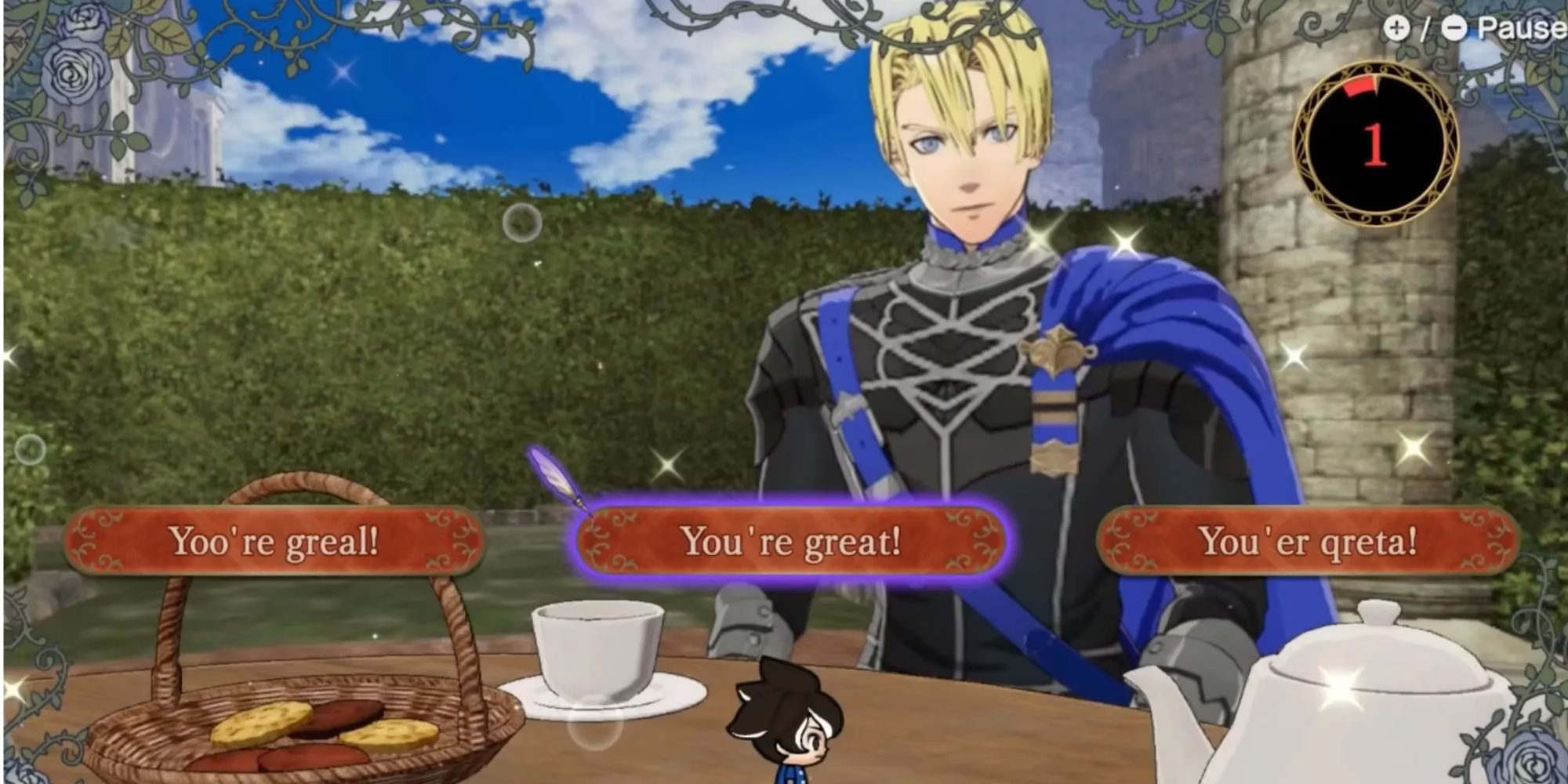
In Fire Emblem: Three Houses, tea time offers a calm break from battle and classroom management. The WarioWare take transforms that peaceful ritual into a test of social awareness. Players must select the correct compliment for Dimitri, Edelgard, or Claude. A right answer produces a Perfect Tea Time. A wrong one leaves the chosen student visibly disappointed. This microgame cleverly borrows one of the RPG's most beloved optional activities and compresses it into seconds.
4 Super Mario Sunshine
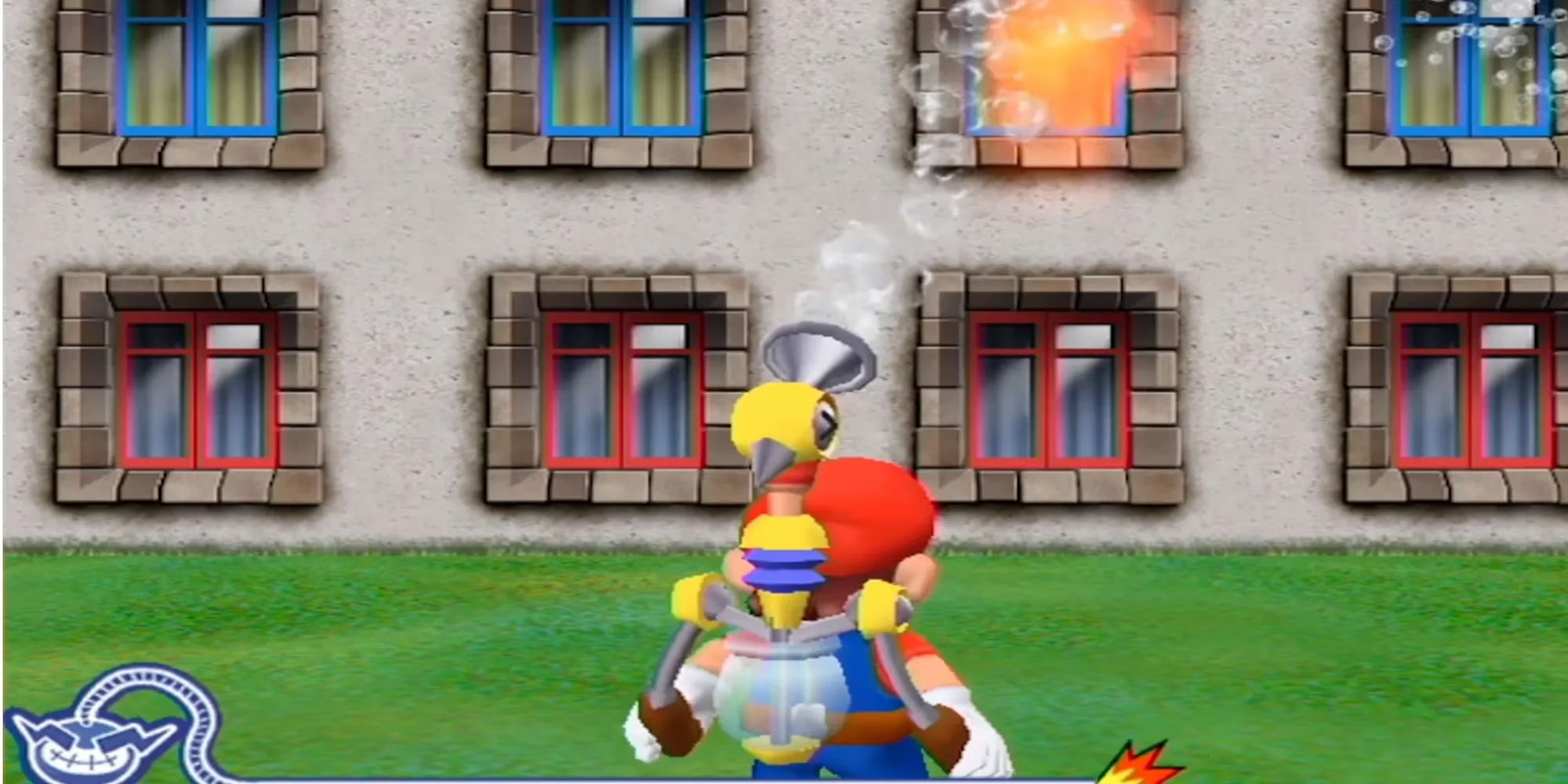
Mario's vacation on Isle Delfino launched back in 2002, making the game more than two decades old. In WarioWare, both Mario and his water-spraying companion F.L.U.D.D. appear in multiple entries. Smooth Moves asks players to douse fires flickering in windows, while WarioWare Gold swaps the flames for sludgy graffiti that Mario has to wash away. It proves that even in a different franchise, Mario never really stops cleaning up someone else's mess.
3 Ocarina Of Time
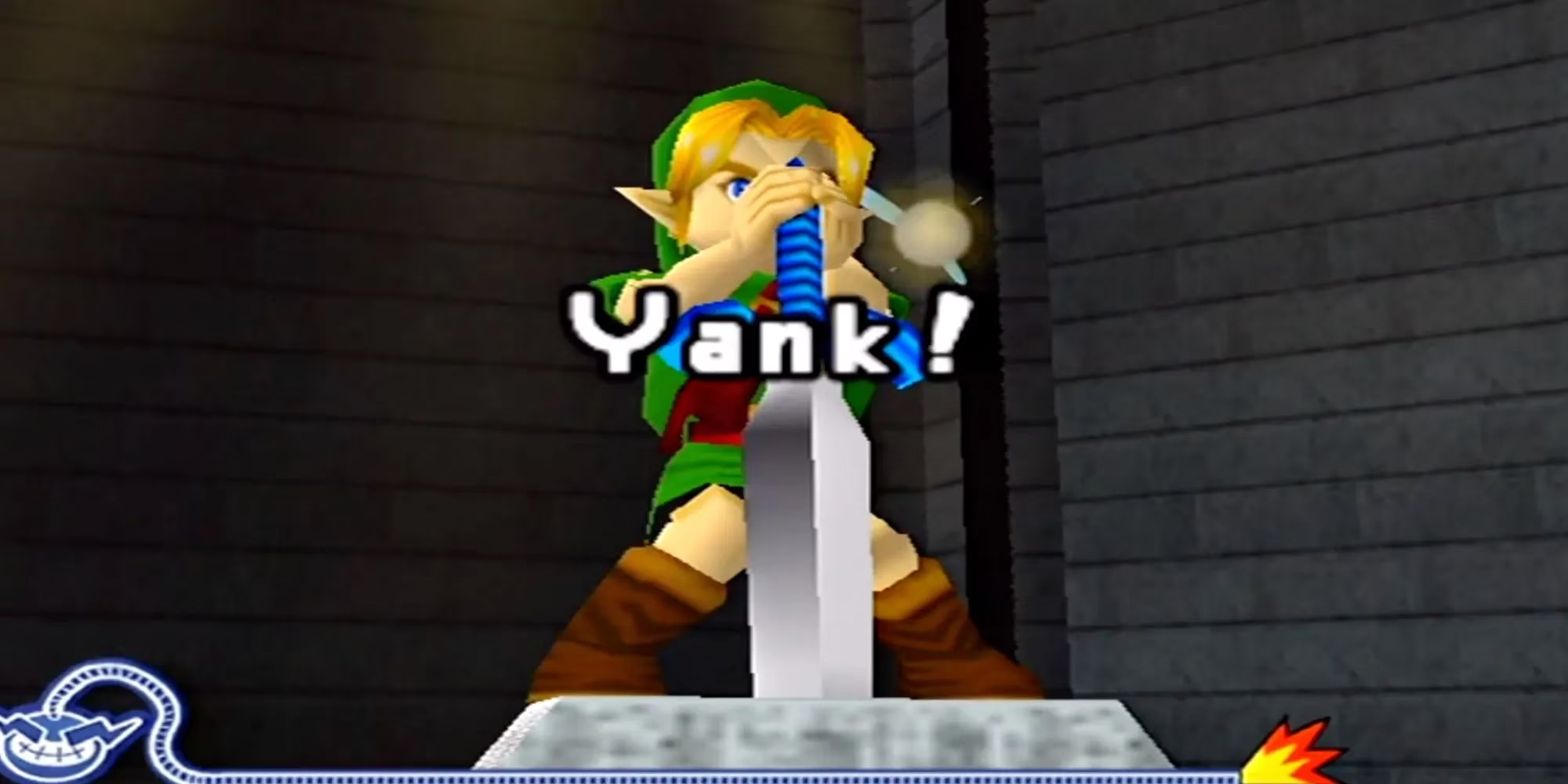
The Legend of Zelda: Ocarina of Time is famous for dungeons, time travel, and puzzle-solving. The WarioWare tribute strips the adventure down to one iconic act: pulling the Master Sword from its pedestal. In Smooth Moves, the deed becomes a microgame of timing and movement. To keep things lively, the game changes Link's appearance at higher difficulties. Players might see an older version of Link or even the chicken-related Cucco Link. It is a silly reward for such a legendary task.
2 Wind Waker
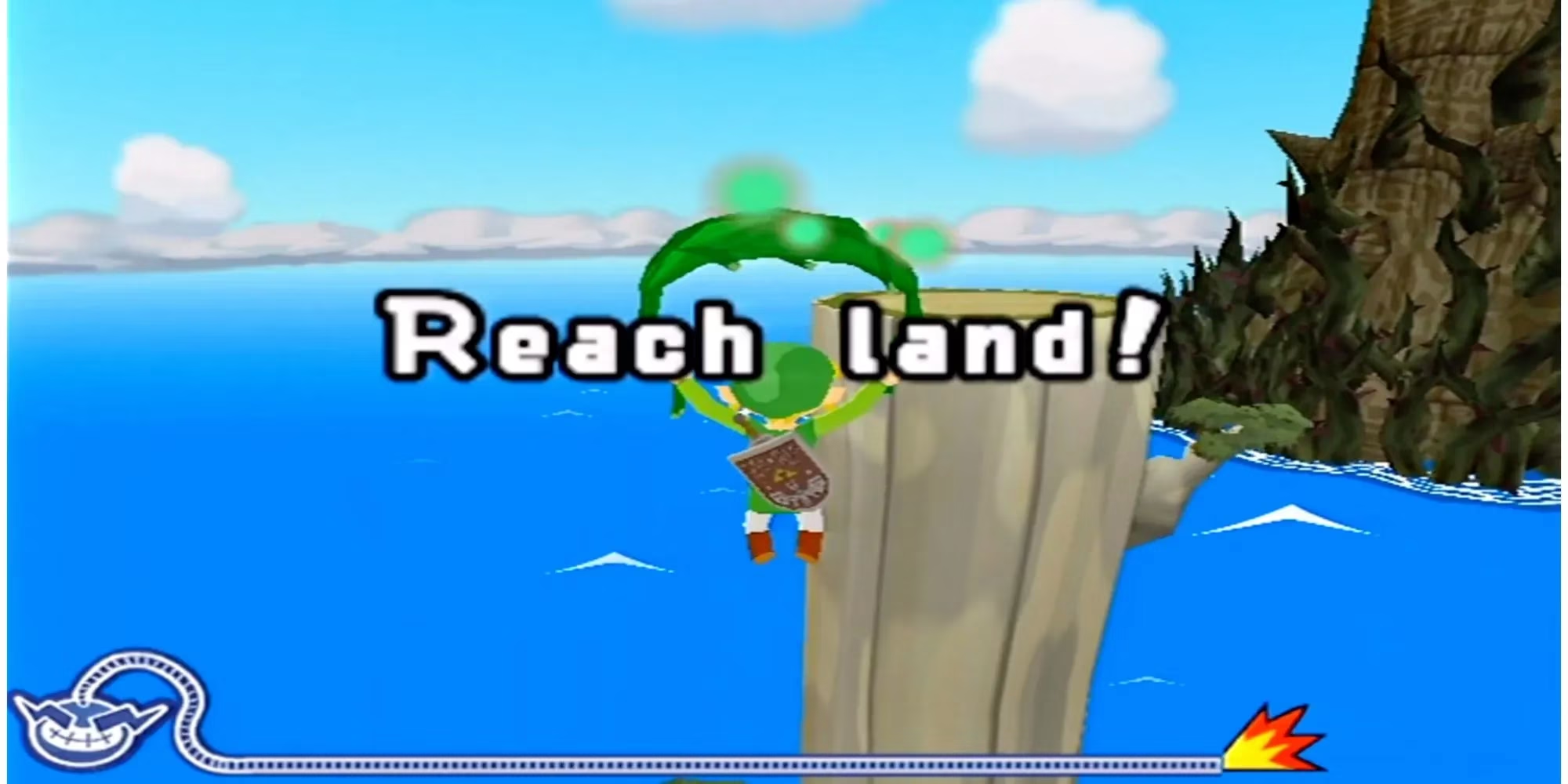
Another Zelda classic appears through Link's Deku Leaf. In the Wind Waker microgame from Smooth Moves, players must glide toward a distant platform. The distance increases as difficulty rises. WarioWare Gold remixes the challenge by shrinking the landing zone instead. Either way, the simple act of steering Link through the air becomes surprisingly tricky when combined with the series' accelerating rhythm. One bad tilt can send him drifting off course.
1 Nintendogs
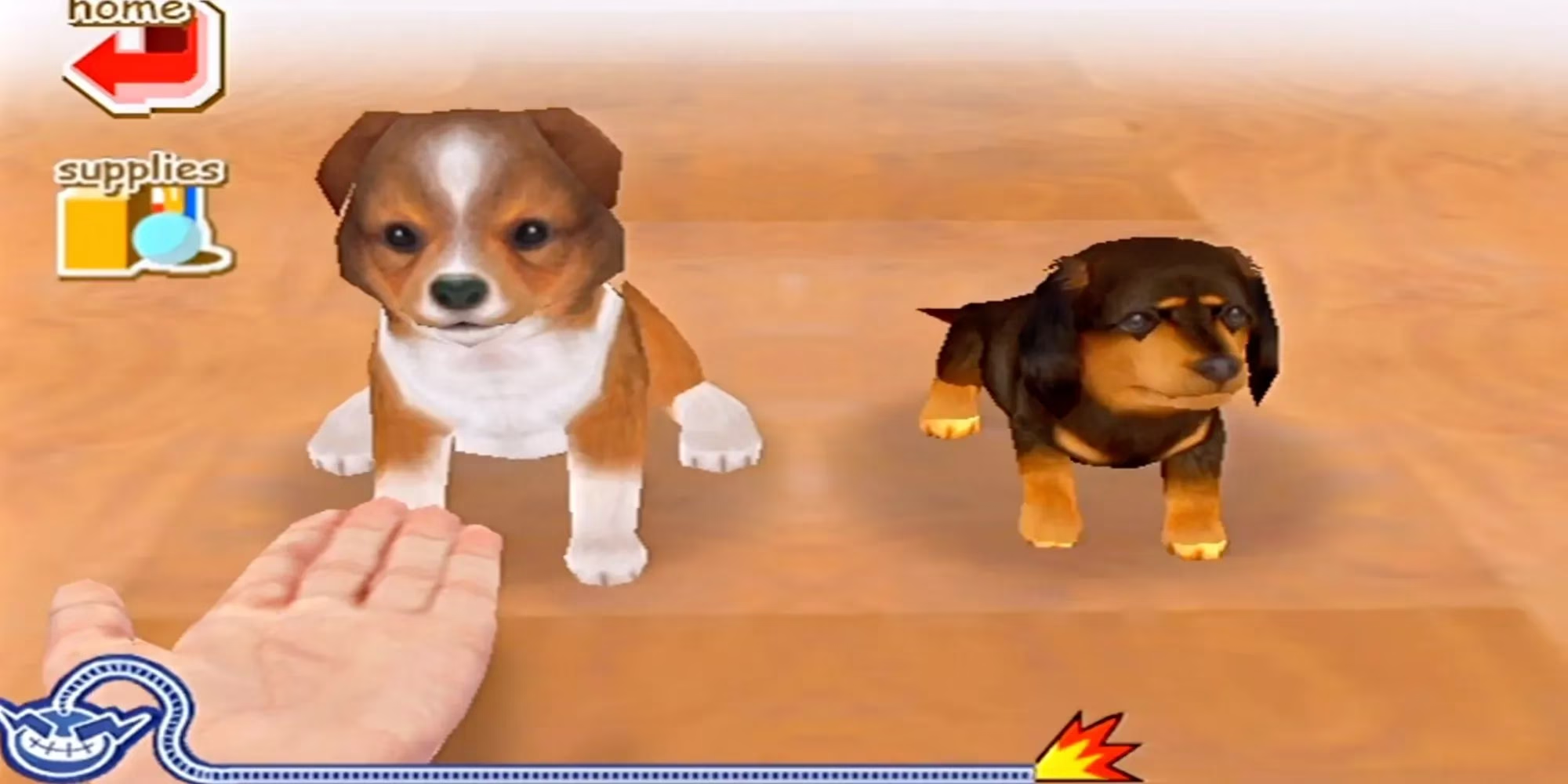
Long before smart devices were covered in pet-care apps, Nintendogs gave DS owners a chance to raise adorable puppies. Players fed them, groomed them, and guided them through timed obstacle courses. WarioWare: Smooth Moves and WarioWare Gold brought those pups back for brief cameos. Sadly, the microgames ended just as quickly as they began. Fans never got to take the virtual dogs on a proper walk, but the familiar faces still sparked plenty of smiles.
Taken together, these references reveal WarioWare's playful relationship with the rest of Nintendo's catalog. The series does not simply import characters; it reshapes them into absurd, high-speed challenges. That approach keeps the callbacks feeling fresh, whether the source material is cozy, competitive, or cosmic. It also gives longtime Nintendo fans a reason to pay close attention between laughs. After all, the next timed task might feature a favorite hero, villain, or very good dog.
According to coverage from GamesIndustry.biz, cross-franchise nods like WarioWare’s rapid-fire microgame references aren’t just fan service—they also function as a low-risk way for publishers to keep legacy IP recognizable across new releases and platforms. That framing helps explain why Get It Together, Smooth Moves, and Gold can pull in everything from Splatoon’s Turf War results screen to Ocarina of Time’s Master Sword moment: the microgame format compresses iconic interactions into seconds, making Nintendo’s broader catalog feel instantly readable even under a shrinking timer.