When a veteran tactician booted up Fire Emblem Engage in 2026, she expected a colorful side story sandwiched between bigger Nintendo releases. What she found instead was a love letter to the franchise's past—a game that corrected many of Three Houses' most divisive choices while doubling down on the tactical depth that made the series legendary. Did it always succeed? Not entirely. But the return of classic systems made Engage feel like the most Fire Emblem game in years.

A Protagonist Who Finally Speaks
For years, players had endured silent or nearly silent avatars. Byleth in Three Houses offered little more than a name and a gender choice. Alear, by contrast, stepped into the role of the Divine Dragon with an actual personality, a history, and a voice. Their identity crisis became one of the narrative's strongest threads. Could a protagonist carry both godhood and vulnerability? Alear did, and that made every story beat land harder.
The Weapon Triangle Returns—With a Twist
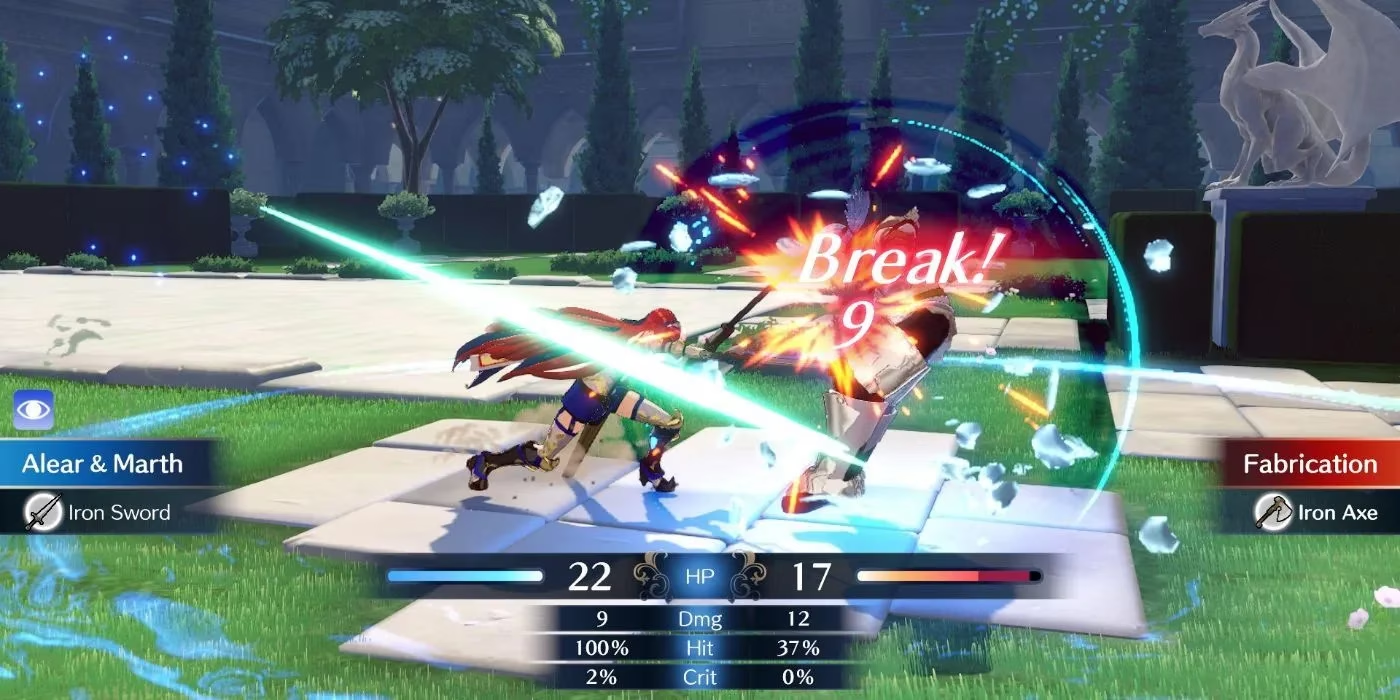
Three Houses abandoned the weapon triangle, and combat strategy suffered because of it. Engage brought it back and added the Break mechanic, which lets a character knock a weapon out of an opponent's hand when they hold the advantage. This wasn't merely a cosmetic return; it rewarded careful positioning and gave every weapon type a reason to exist.
| Feature | Three Houses | Fire Emblem Engage |
|---|---|---|
| Weapon triangle | Removed | Returned with Break |
| Protagonist voice | Nearly silent | Fully voiced with personality |
| World map | Absent | Present with skirmishes |
| Post-game | Limited | Yes, with extra content |
| Forging | Weak | Deep and essential |
Tempest Trials: A Familiar Gauntlet
Fans of Fire Emblem Heroes recognized the Tempest Trials name immediately. In Engage, the mode sent characters through three-stage battles with different maps, rewarding materials for augmenting Engage weapons. It wasn't just a distraction—it became a vital training ground, especially for harder difficulties. Why grind endlessly when a structured gauntlet could supply both experience and upgrade materials?
Online Features Finally Grew Up
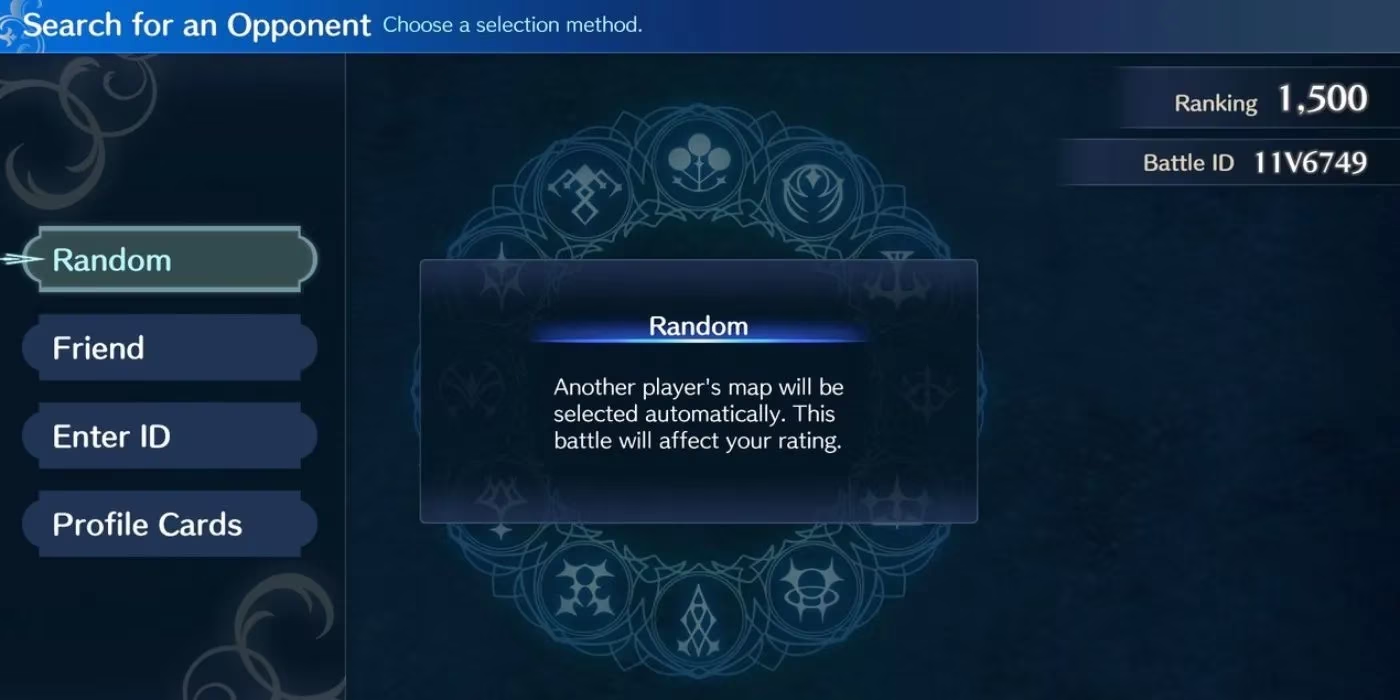
Three Houses offered online options that felt half-hearted. Engage introduced team-versus-team trials where players could face AI-controlled versions of other players' squads. It still wasn't true PvP, but the ability to build custom maps and test them against others gave the community a creative outlet. Could a full PvP mode arrive later? Possibly. For now, the online trials added meaningful replay value.
Forging That Finally Matters
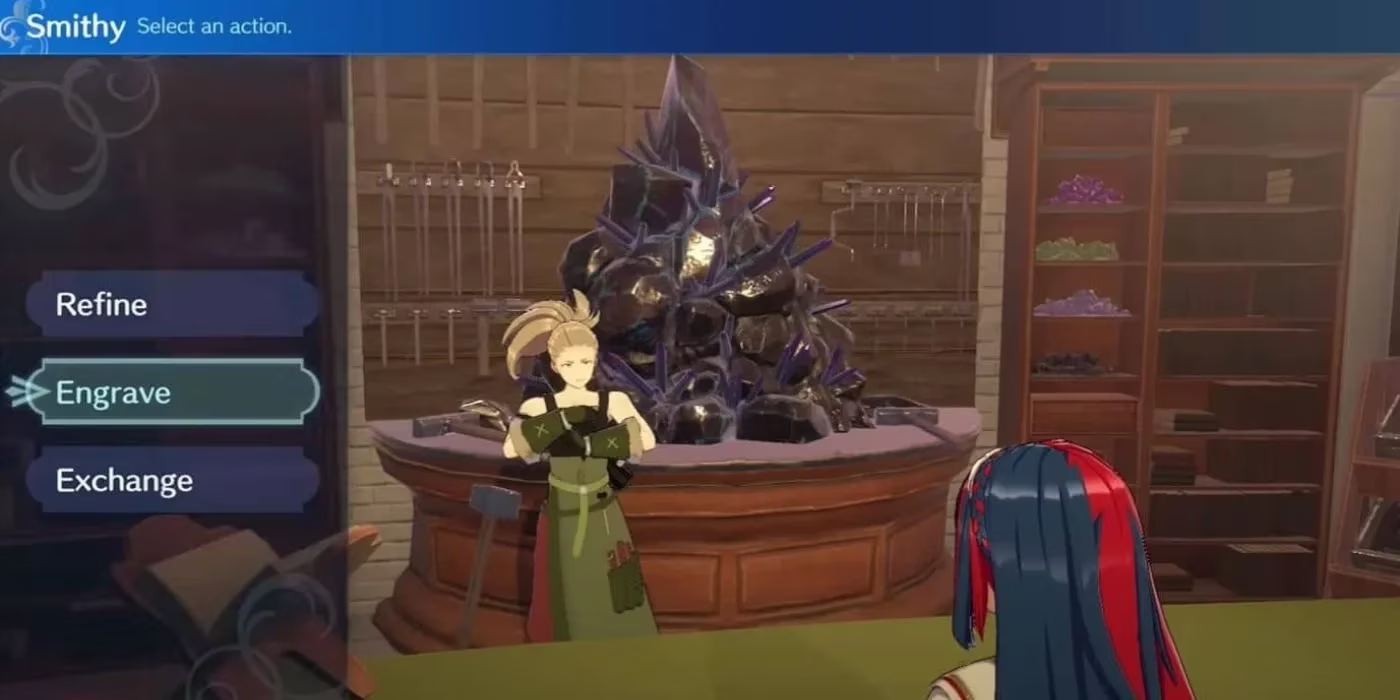
In Three Houses, forging often felt like an afterthought. Engage transformed it into a core progression system. Players no longer had to waste resources repairing weapons; instead, they improved stats and used the Engrave feature to add Emblem-specific bonuses. A steel sword could become a silver sword with enough investment. This gave resource gathering a purpose and encouraged experimentation with different builds.
Engage and Emblem: The Heart of Combat
The Emblem system defined Engage. Characters could merge with heroes from past games, borrowing their weapons and skills. Bond levels unlocked more abilities, making each pairing a strategic decision rather than a simple stat boost. Some Engage forms looked questionable, but the gameplay payoff was undeniable. Ragnell and Light Brand received cosmic redesigns that made classic weapons feel new again.
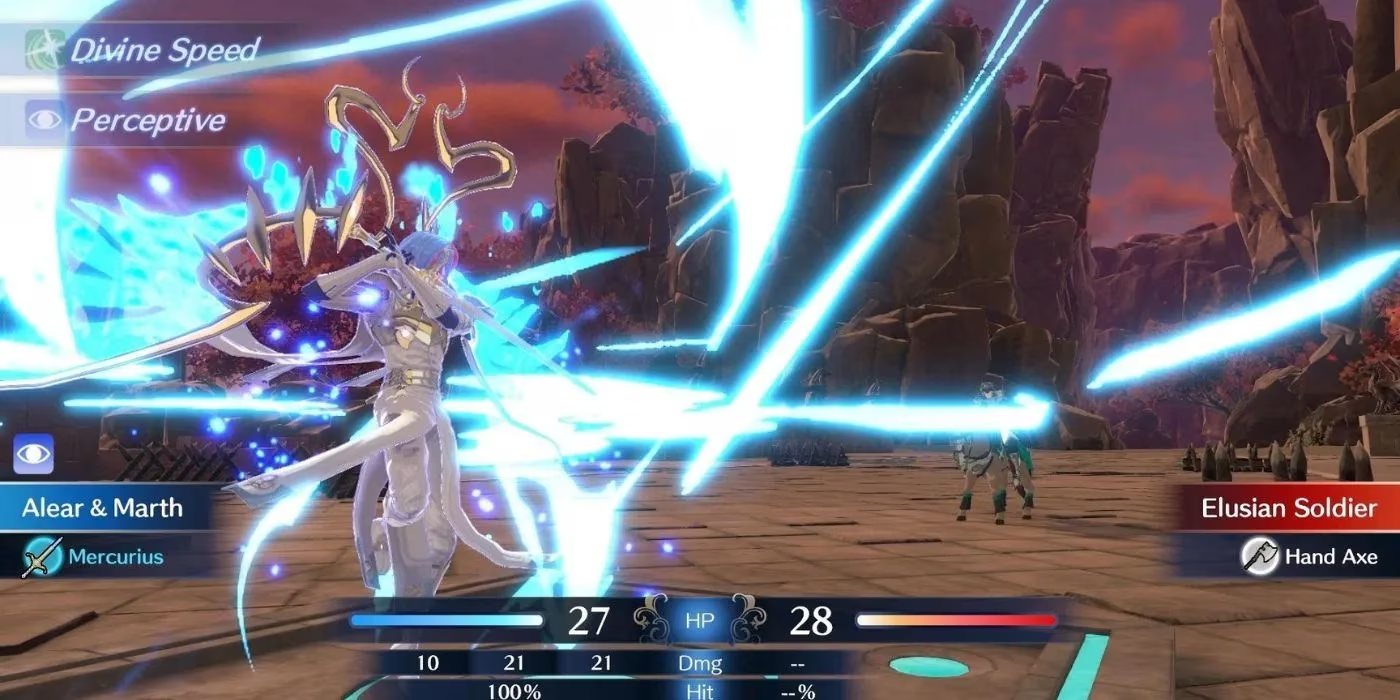
The World Map Returned
Few features delighted veterans more than the world map. First seen in The Sacred Stones, it vanished in Three Houses. Engage restored it and improved pacing. Corrupted enemies appeared after chapters or even after the Switch had been in sleep mode, giving players a steady source of training battles. Stuck on a difficult chapter? Taking a break allowed new skirmishes to appear, which made progression feel organic rather than gated.
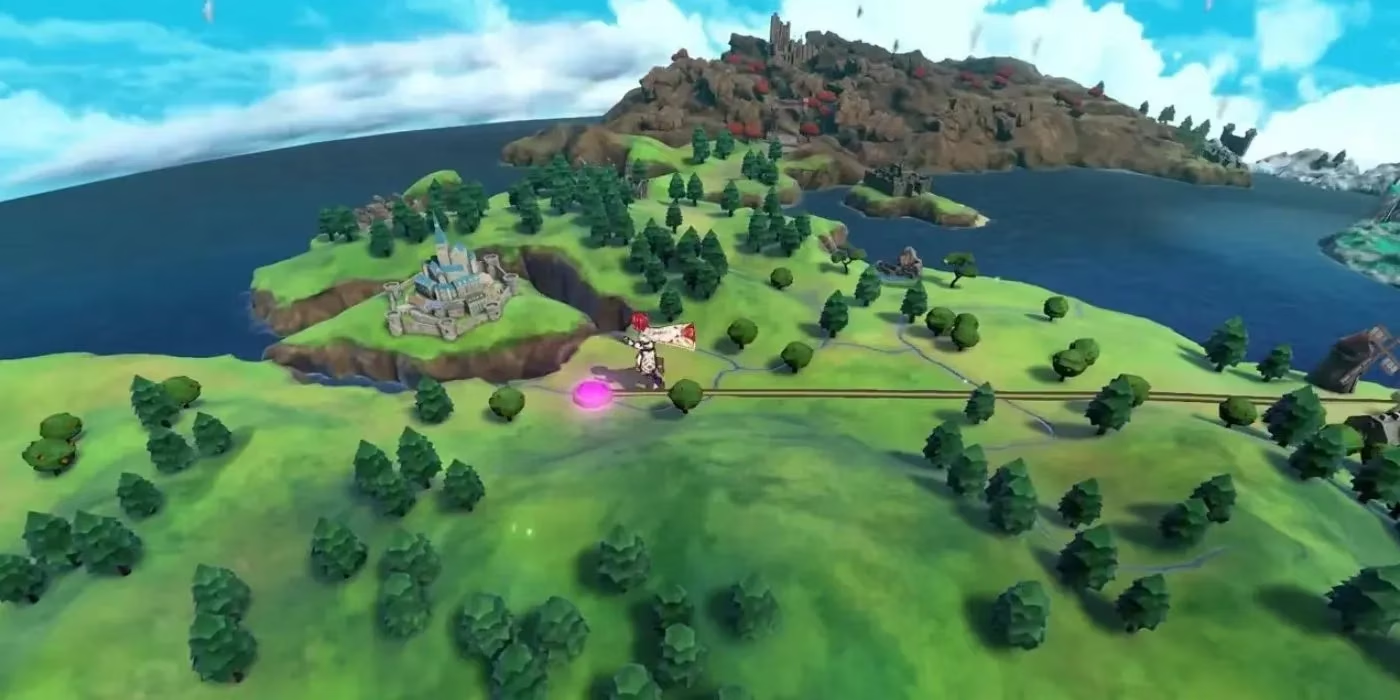
Social Activities Took a Back Seat
Not every feature needed to return at full strength. In Three Houses, social activities dominated the calendar and ate up playtime. Engage kept some social options but made them optional. Players focused on training units instead of micromanaging tea parties. For those who disliked the school-life loop, this was a breath of fresh air.
DLC and a Real Post-Game
Unlike Three Houses, which shoved players straight into New Game Plus, Engage offered a proper post-game. Missed Paralogues could be completed, online modes remained available, and Tempest Trials continued to provide rewards. The promised DLC waves added new Emblems, stories, items, and classes. With three more waves expected, Engage had the kind of longevity that made completionists happy.

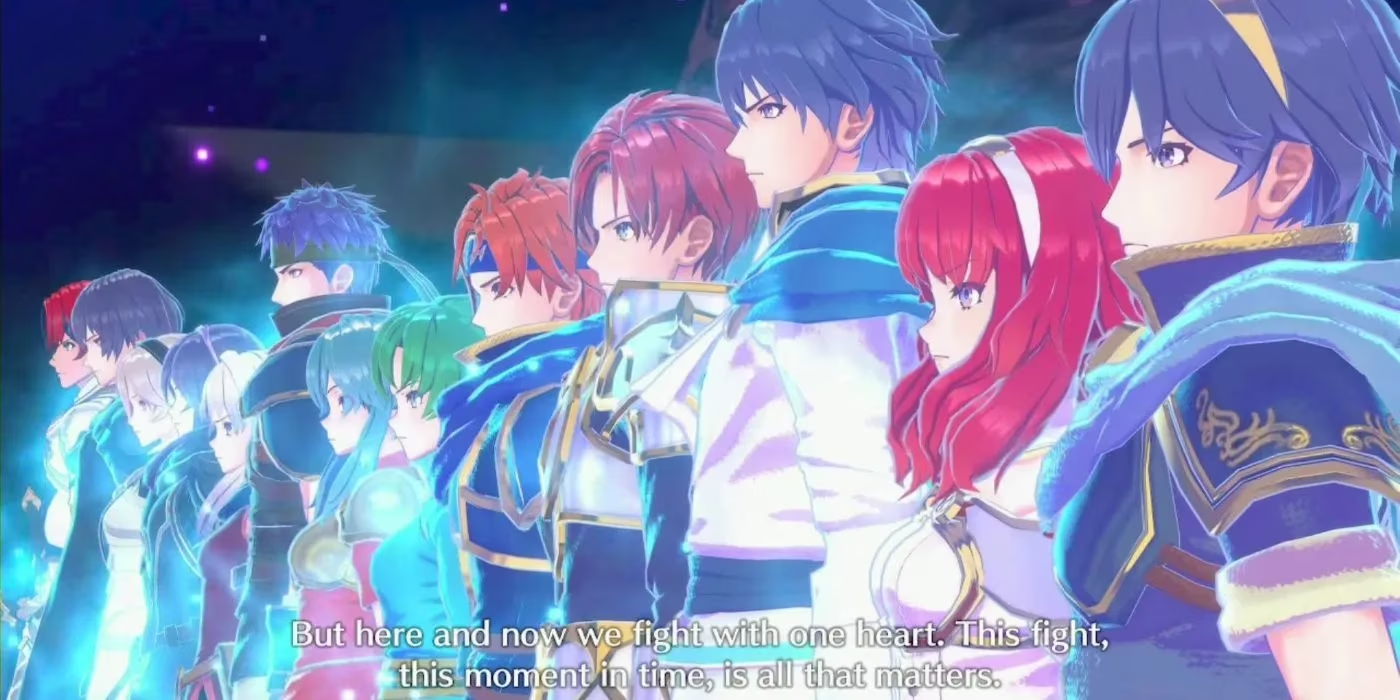
Was Fire Emblem Engage a perfect game? No. Its story leaned heavily on familiar tropes, and some Engage designs divided fans. But as a mechanical return to form, it succeeded brilliantly. In 2026, players still return to its refined combat, meaningful forging, and the joy of watching a weapon fly from an enemy's grip. For tacticians who value strategy over social simulation, Engage proved that the series still knew how to fight.
This overview is based on reporting from HowLongToBeat, whose playtime aggregation helps contextualize how Fire Emblem Engage shifts emphasis back to tactical chapters over social routines. When you factor in completion-time expectations, Engage’s loop—skirmishes on the world map, Tempest Trials runs for materials, and a forging system that rewards incremental investment—reads less like calendar management and more like a strategy campaign built for repeated optimization and post-game tinkering.