In 2026, Persona 5 still struts into the room like a cat that knows it owns the furniture. The Phantom Thieves have style, jazz, menus that look like art-school final projects, and a Tokyo playground that remains one of the genre's great hangout spots. Yet the same game that made Atlus a worldwide name also left behind a very loud question mark: why does its combat still feel like a beautifully upholstered museum piece? Persona 5 tweaked plenty, from negotiation to presentation, but it did not revolutionize the turn-based loop. Fire Emblem: Three Houses, meanwhile, borrowed the calendar-and-relationships blueprint and then added something Persona 5 lacks: a stopwatch with a scowl. The comparison has only grown sharper as of 2026, because Persona 5 Royal remains easy to find on PC, PS4, PS5, Switch, Xbox One, and Xbox Series X/S, while players keep asking what the next Persona should do differently.

The Phantom Thieves Meet a Stopwatch
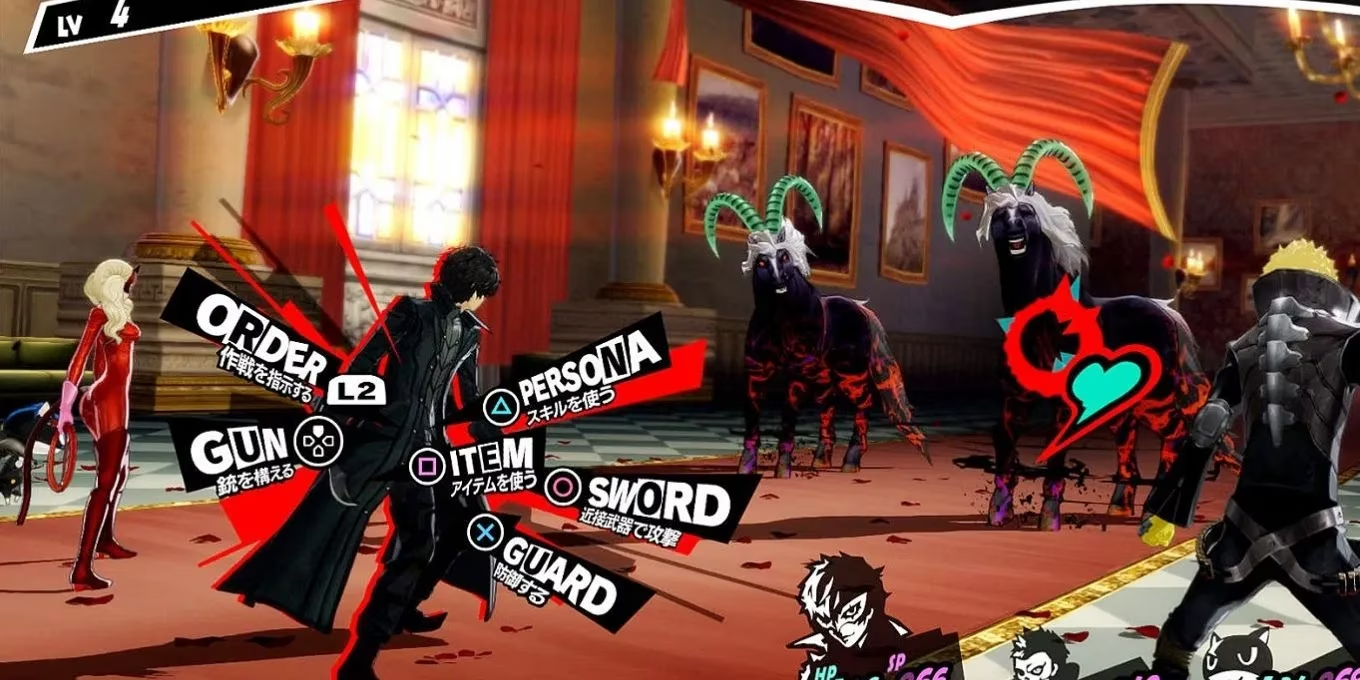
Persona 5 deploys a typical turn-based gameplay loop to give each unique Palace a level of challenge. As the leader of the Phantom Thieves, players can Hold Up enemies to shake them down for money or items, and they can attempt to recruit them. It is a familiar rhythm, and a reliable one, but the subtle differences between Persona 4's battles and how its sequel handles confrontations are not enough to keep the whole thing from feeling outdated. The Phantom Thieves can steal hearts, apparently, but not the hearts of players who crave tactical pressure.
It seems that Intelligent Systems got much of its inspiration for Fire Emblem: Three Houses from Atlus's star IP, but it did not compromise its stellar strategy RPG roots. That is a startling reminder of Persona 5's biggest shortcoming, and it shows that change is not only possible, but needed. Persona 5 Strikers was the revision the franchise needed on a combat level, as it wielded an effective action-based system. There had to have been a thirst for change for it to even exist, and the release and acclaim of Fire Emblem: Three Houses show that Atlus does not have to uproot the essential philosophy of Persona to implement something new.
Persona 5 feels fresh, exciting, and visually entirely new, but the turn-based battles that lack time sensitivity feel like a substantial break from the innovation. Turn-based combat needs mechanics that keep it compelling, as Octopath Traveler and Final Fantasy's ATB format show. Persona 5 struggles with the same issue as Dragon Quest 11 in that there simply are not enough new changes to keep it from getting stale. Turn-based mechanics were a result of hardware restrictions and have since become commonplace because they are such a reliable way to present conflict. Franchises like Final Fantasy and Ni no Kuni are moving away from that model in favor of something more fluid. Persona should not necessarily change its approach entirely, but its core design can facilitate a wide berth of other combat systems. Fire Emblem: Three Houses is solid proof of this fact.
What Three Houses Learned, and What Persona 5 Did Not
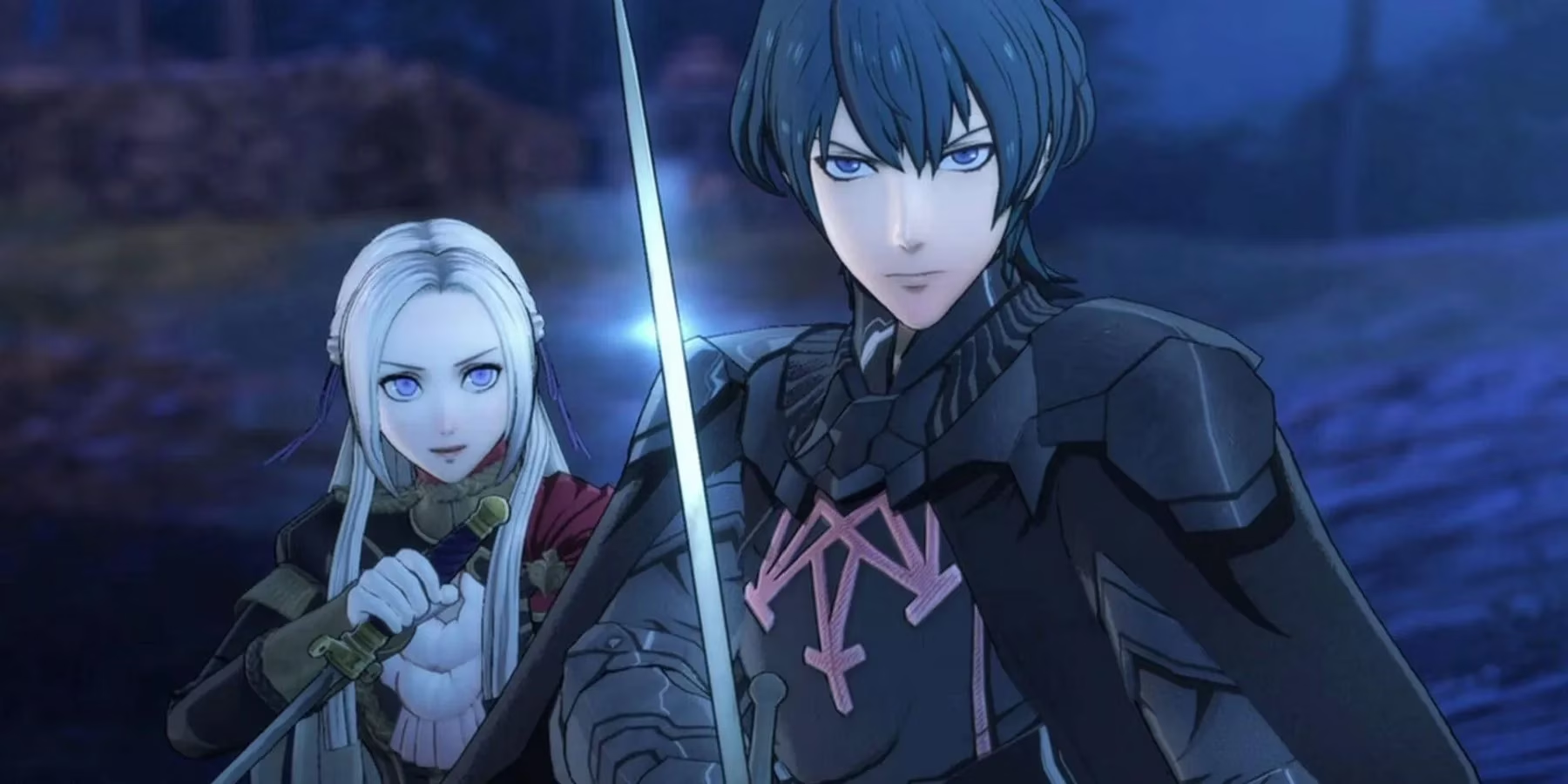
Whereas previous Fire Emblem games are more linear and rigid in the way they tell their stories, Fire Emblem: Three Houses grants players a level of customizability over their story as well as characters and abilities. Set at the gorgeous Garreg Mach Monastery, it allows players to roam the school grounds, interact with side characters, attend classes, and take part in extracurricular activities to ensure that Byleth is in peak condition for battle. Its calendar is clearly inspired by Persona's downtime design, though it will skip through the week to speed up play, and taking the time to invest in relationships outside the field of battle is critical to the game's expertly crafted progression.
The differences between Fire Emblem: Three Houses and Persona 5 come at the way combat is presented. Three Houses has one big battle take place at the end of each month, while Persona 5 presents a dungeon to be completed at the player's leisure, within reason. The time each takes to complete is similar, but Fire Emblem: Three Houses has the more engaging battles due to the time pressure on the player that cannot be negotiated with. It is evident that Persona's design can house plenty of combat systems, and Fire Emblem is all the proof Atlus needs to show that it needs to change its approach moving forward.
| Question | Persona 5 | Fire Emblem: Three Houses |
|---|---|---|
| What creates tension? | Dungeon deadlines and resource management | A calendar with a monthly battle staring players down |
| What does downtime do? | Builds Confidants and boosts preparation | Builds relationships, skills, and Byleth's readiness |
| What does combat feel like? | Stylish, familiar, and occasionally too safe | Tactical, pressured, and impossible to snooze through |
| What is the lesson for 2026? | Keep the jazz, but make every turn matter | Borrowed Persona's calendar without borrowing its combat complacency |
The 2026 Verdict
Persona 5 Royal is still a crown jewel, and nobody needs Atlus to turn the Phantom Thieves into a chess club or a musou-only franchise. The point is sharper than that. Persona's core design can support more than one way to make conflict interesting, and Fire Emblem: Three Houses is the friendly rival holding up a sign that says so. The calendar, the relationships, the school-life rhythm, and the jazzy soundtrack are all keepers. What needs work is the part where players settle into a turn-based routine so comfortable that it starts snoring softly between menu commands. 🎷
As of 2026, the conversation has not aged out. Persona 5 Royal is available on PC, PS4, PS5, Switch, Xbox One, and Xbox Series X/S, which means new players keep discovering the style and the staleness in the same breath. Atlus can keep the art, the music, and the social simulation; it should simply add a ticking clock that is not just a menu timer. Three Houses proves that a game can honor its roots and still make every battle feel like a decision instead of a formality. The Phantom Thieves deserve that kind of pressure. So do the players. ⏳