There's a certain kind of magic tucked inside Japanese role-playing games, a warmth that lingers long after the credits roll. Even in 2026, with graphics so realistic you can count every blade of grass, the old classics continue to draw players back into their sprawling worlds. They don't just tell stories—they invite you to live inside them, to laugh with the characters, cry at their losses, and feel the weight of every decision. These games might rely on turn-based combat and linear journeys, but that very predictability becomes a comfort, like a well-worn path through a familiar forest.
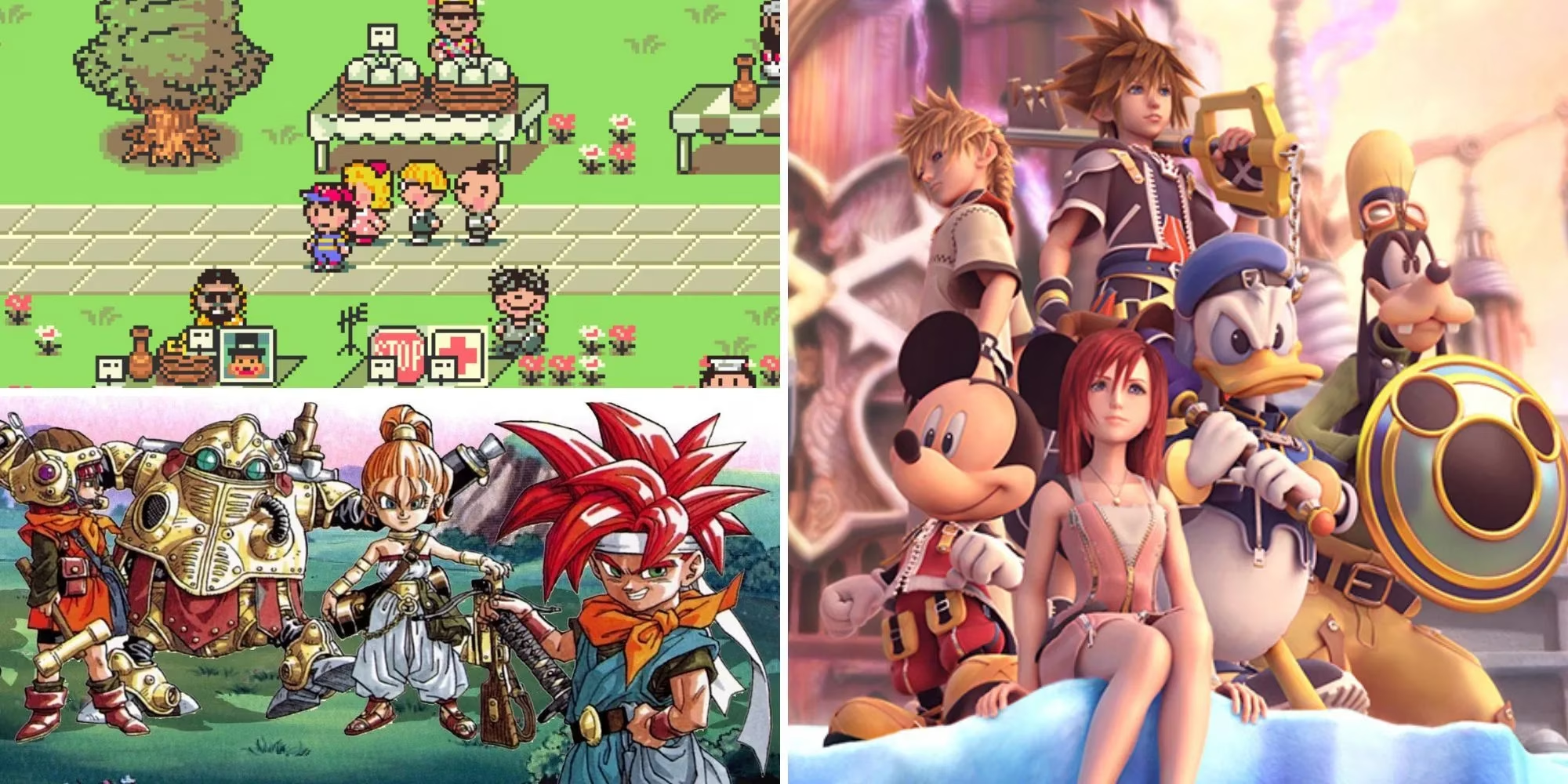
Take NieR: Automata, a title that burst onto the scene in 2017 and has only grown more poignant with age. By 2026, it's still a masterclass in tragedy and bizarre beauty, a game that refuses to pull its punches. The open world hums with melancholic music while you pilot flying mechs through rusted cities, each battle feeling both exhilarating and heartbreaking. Its combat might stumble here and there—a few jarring difficulty spikes can catch you off guard—but honestly, who cares when the narrative wraps itself around you like a bittersweet melody? The game asks hard questions about existence, and by the end, you're not sure if you've been playing it or if it's been playing you.
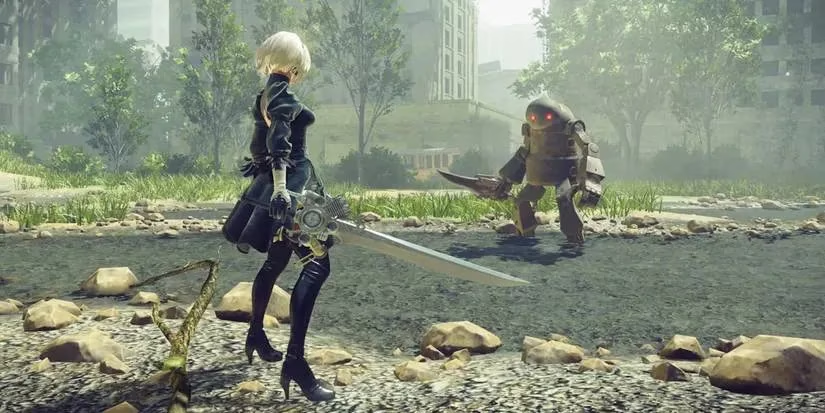
Then there's Fire Emblem: Three Houses, a sprawling epic that turned the series into a household name on home consoles. Walking through the halls of Garreg Mach Monastery, you get a personal, almost voyeuristic view of life in Fódlan—the quiet rivalries, the hidden sorrows, the budding friendships. Nintendo poured heart into this one after the unexpected triumph of Awakening, and it shows. Sure, some of the writing could have dug a little deeper, but the memories of those students, their hopes and fears, stick with you like your own school days. It's a game where you don't just command an army—you shepherd a family.
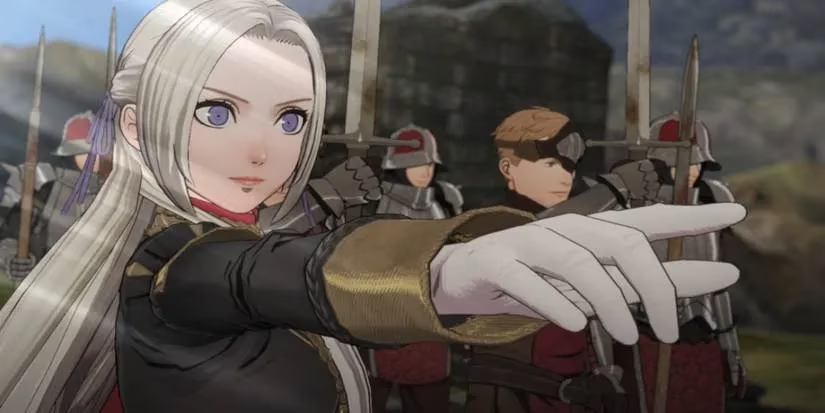
Kingdom Hearts 2 tapped into something truly special, blending the whimsy of Disney with the drama of Final Fantasy. By 2026, the opening hours still feel like a bewildering dream sequence, thrusting you into a new cast of characters with only a vague sense of what's going on. But stick with it, and oh boy, does the payoff hit hard. The combat flows like a dance, every Keyblade swing echoing against candy-colored worlds. It's one of those sequels that didn't just repeat the original—it refined the whole recipe, leaving fans grinning like children seeing a parade for the first time.
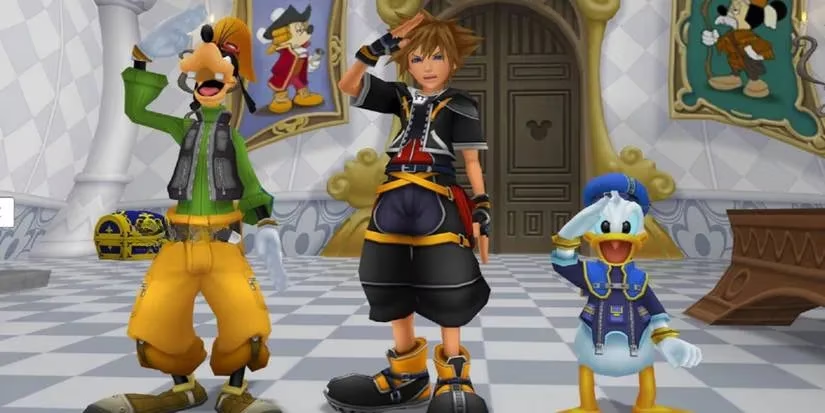
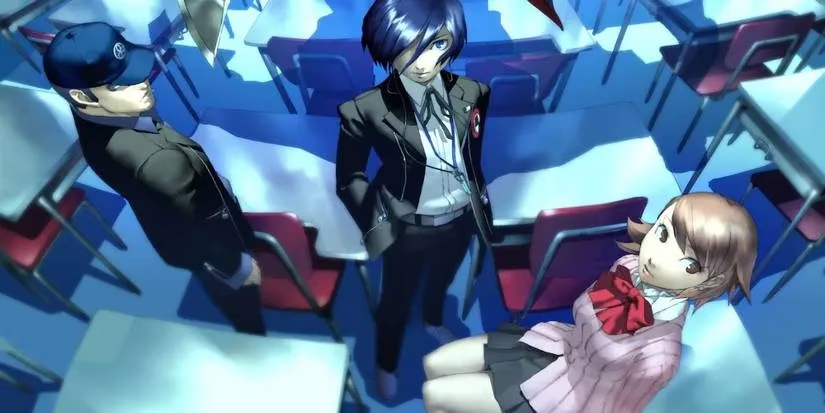
Persona 3 changed the whole vibe of its franchise. Before it, social links and calendar management weren't a thing—now they're staples that make you feel like you're actually living a double life. By day, you're a high school student juggling friendships; by night, you venture into the eerie Dark Hour. The themes go dark, really dark, touching on death and existential dread with a cast that feels painfully real. There's a boss fight near the end that still ranks among the toughest in JRPG history, a brutal final exam that tests every lesson you've learned. And let's be real, we've all shed a tear or two when the credits faded to blue.
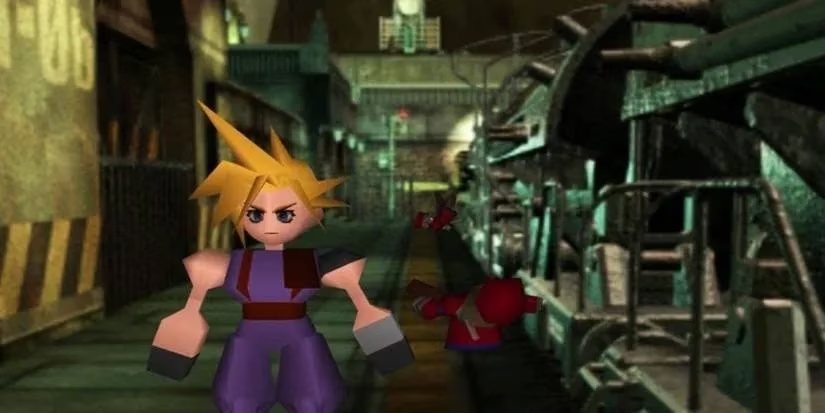
Final Fantasy 7 needs little introduction—even non-gamers have heard of Cloud Strife and his oversized Buster Sword. What made it legendary wasn't just the shift from medieval fantasy to steampunk dystopia; it was the cinematic cutscenes and that sweeping soundtrack that tugged at your soul. For many, this was their gateway into the genre, a love letter that they've never stopped reading. Returning to Midgar in 2026, whether through the original or the remake series, feels like coming home to a city of rust and neon… and it still smells like mako and memory.
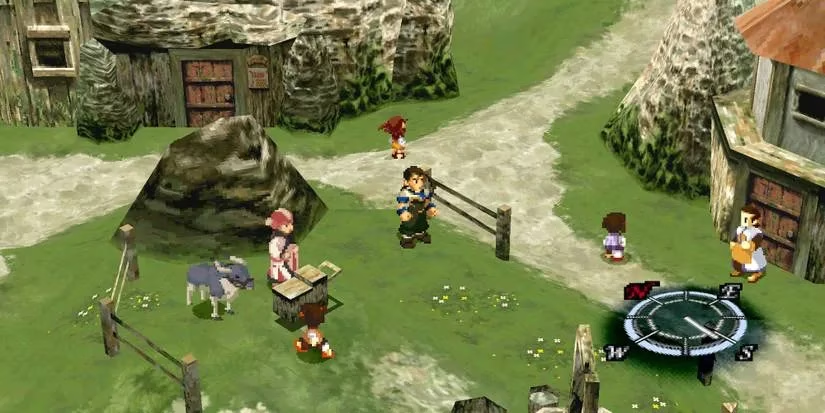
Few games carry the weight of controversy and genius quite like Xenogears. Back in the day, its bold criticism of religious institutions nearly got it banned outside Japan, but that only added to its mystique. The story is the real star here—philosophical, dense, and unafraid to wade into moral gray areas. It ties everything together with an ending that's as cathartic as it is mind-bending. And can we talk about those cutscenes? For its time, the cinematography was league ahead, like watching a mecha anime that you could actually control.
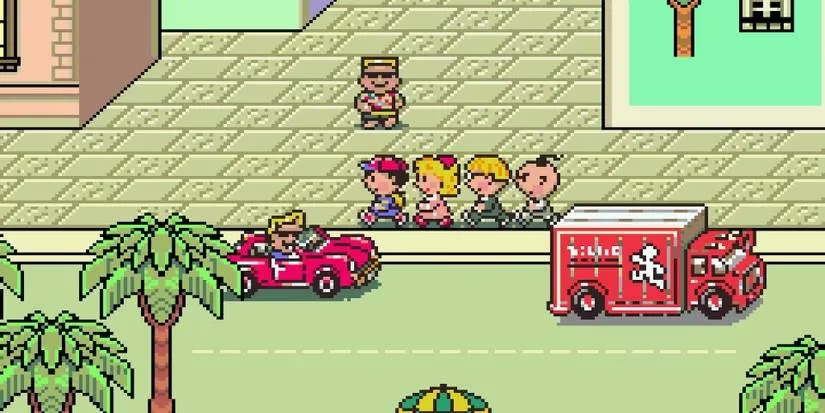
EarthBound (or Mother 2, as it's known in Japan) tossed out the high-fantasy rulebook in favor of 1990s Americana. With its quirky enemies—New Age Retro Hippies and Unassuming Local Guys—and a color palette that pops like comic book panels, it turned everyday life into an absurd adventure. It never took itself too seriously, which was exactly what made it so endearing. In 2026, it's like opening a time capsule filled with laughter and offbeat charm, a reminder that not every hero needs a legendary sword—sometimes a baseball bat and a psychic kid will do just fine.
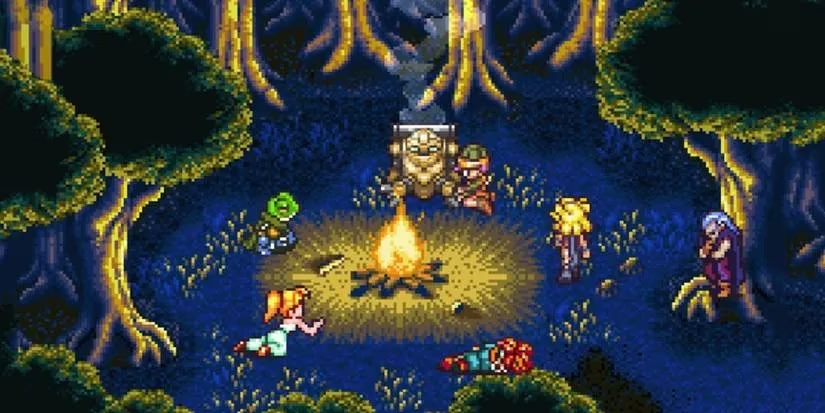
Then there's Chrono Trigger, a game so beloved that its legacy feels almost sacred. The time-traveling adventure doesn't just tell a story—it bends time itself, letting you witness eras shift and friendships blossom across centuries. With a vibrant cast that includes a frog knight and a robotic girl, it's an ambitious, heart-on-its-sleeve experience that doesn't waste a single moment. Even today, that final boss fight, weaving together all your choices across timelines, leaves you breathless. Honestly, this one's a must-play that will haunt your dreams in the best possible way.
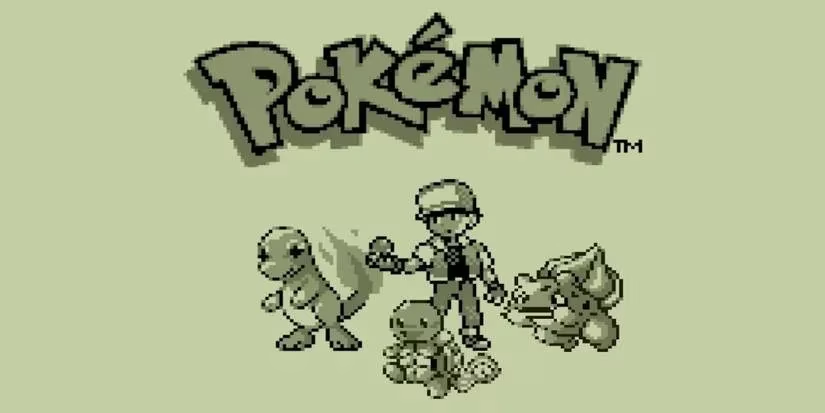
And finally… where would any of us be without Pokémon Red & Blue? These two cartridges sparked a global phenomenon, but beyond the trading cards and TV shows, they captured something pure: the thrill of stepping into tall grass with nothing but a Poké Ball and a dream. The limitations of the Game Boy became strengths, leaving just enough to the imagination. In 2026, every new Pokémon release still stands on the shoulders of these monochromatic giants. The adventure felt endless, the world full of secrets, and that tinny battle music? Still an absolute banger.
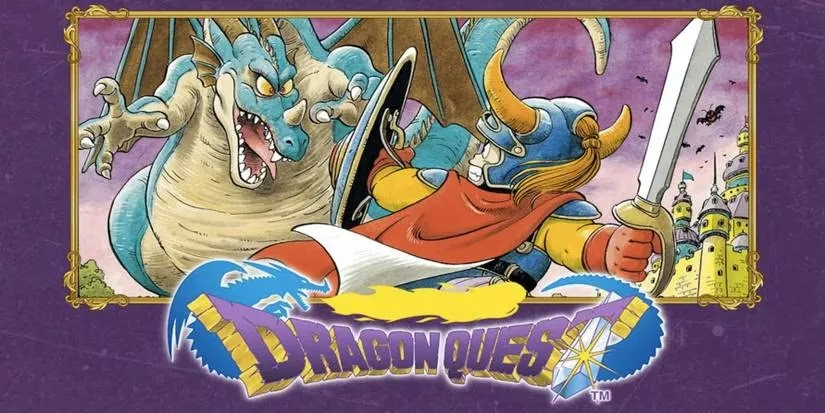
At the very top sits Dragon Quest, the grand ancestor of them all. The first game didn't have the flashy cutscenes or complex skill trees of its modern cousins, but it laid down the blueprint with such effortless grace that it still feels timeless. For a newcomer in 2026, it's the perfect starting point—a beautifully constructed RPG that sticks to its traditional roots like a folk tale passed down through generations. The slimes smile, the music swells, and suddenly, you're not just playing a game; you're stepping into a legacy that has barely changed, because it never needed to. It's like that comfy old sweater you never want to take off… warm, familiar, and somehow always in style.
From the post-apocalyptic sorrow of NieR to the sunny fields of Dragon Quest, these ten JRPGs have woven themselves into the fabric of gaming history. They prove that stunning graphics and complex mechanics are just icing—the real soul lies in memorable characters, stories that dare to be vulnerable, and that indescribable feeling of setting out on an adventure you'll never forget.
For those inspired to dive into these timeless gems or discover even more JRPG classics, keeping an eye on discounts and sales can make the journey even more accessible. With so many titles often available on platforms like Steam, finding the right moment to expand your library can feel like a quest of its own.
Thankfully, tools like a steam sale tracker can help you stay on top of the best deals. Whether you're revisiting an old favorite or exploring something entirely new, securing these adventures at the right price is just another way to make the experience even more rewarding.