In the ever-evolving landscape of interactive entertainment, few mechanics hook a player quite like the weight of a life-or-death decision. It's one thing to guide a character through a story; it's a whole other ball game when you're the one holding the keys to their survival. The role of choice in video games has always been a powerful tool, but when those choices determine the ultimate fate of beloved characters—whether they're the hero you control or a trusted companion—the immersion hits differently. It creates a newfound level of responsibility, a tangible 'oh crap' moment that lingers long after the controller is set down. These aren't just branching paths; these are moral crucibles where a split-second decision can lead to diverging quests, shattered relationships, and wildly different endings, making each playthrough a uniquely personal story. For players craving that tense, white-knuckle experience where every choice feels like it has real stakes, the gaming world in 2026 continues to offer some absolutely stellar—and emotionally devastating—experiences.
Let's kick things off with the ultimate test of survival instincts. Project Zomboid throws players into a brutally unforgiving post-apocalyptic sandbox where the narrative is yours to write, and death is, quite literally, the end. This game is the definition of 'hardcore.' You'll meticulously manage your survivor's hunger, fatigue, and skills, forging a fragile existence in a world overrun by the undead. The emotional gut-punch comes when that character you've invested hours into meets an inevitably gruesome end. Poof. Gone. Permadeath means starting from scratch with a new protagonist. It's a mechanic that's equal parts fascinating and heartbreaking, teaching harsh lessons with a steep learning curve where many, many digital lives are lost along the way. Talk about a game that doesn't pull its punches!
For strategy fans, the Fire Emblem series has been the gold standard for permadeath tension for decades, and Fire Emblem: Three Houses perfected the formula. This isn't just about moving units on a grid; it's about sending characters you know into battle, fully aware they might not come back. The genius lies in the first half of the game, where you bond with house leaders and students, sharing meals, tutoring them, and engaging in heartfelt dialogue. You build genuine connections. So, when a tactical error leads to a permanent death on the battlefield? Oof, that hurts. It's the kind of emotional investment that has players frantically resetting entire chapters—or even the whole campaign—just to keep their beloved students safe. It adds a layer of strategic depth and emotional weight that few other tactics games can match.
If you're in the mood for an interactive summer camp slasher flick, The Quarry is your jam. Taking clear inspiration from 80s horror classics, it puts you in the director's chair for a tale of teenage counselors fleeing unimaginable horrors. Your control comes through dialogue choices and nail-biting quick-time events. Every decision ripples through the narrative, creating paths where you could be the hero who saves everyone... or the reason the body count stacks up. With a cast featuring recognizable actors and a cool tarot card mechanic that teases future doom, it's a total treat for horror fans. The thrill is seeing if you can outsmart fate and get the whole gang to sunrise, making it a perfect game for 'just one more playthrough' to save everyone.
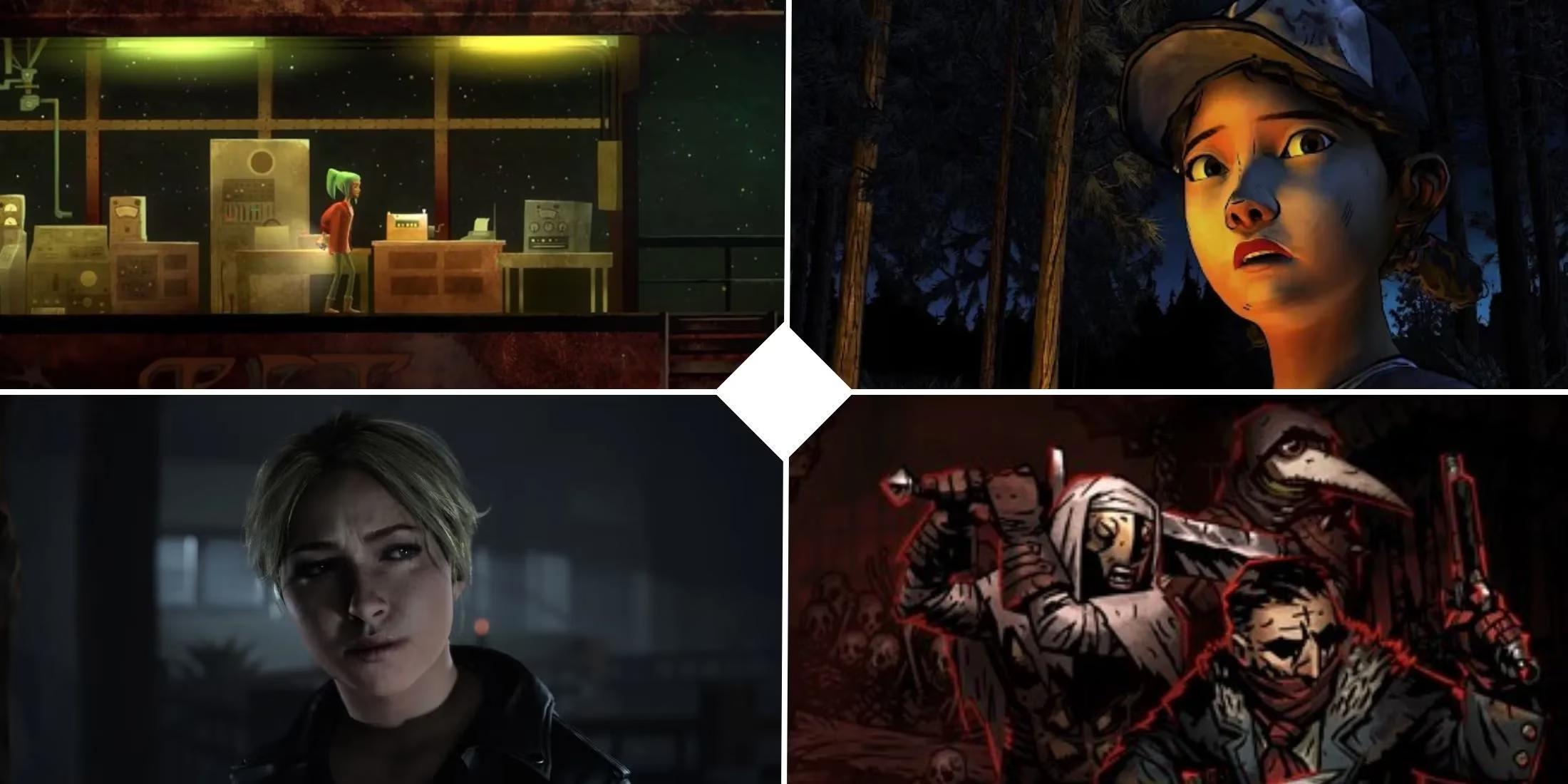
Descending into the Darkest Dungeon is a masterclass in psychological pressure and loss. This challenging roguelike presents a beautifully grim gothic world where you assemble parties of heroes like Crusaders, Plague Doctors, and Jesters. Each has their own quirks, stresses, and abilities. The dungeon doesn't just defeat them; it breaks them. Through brutal combat and a punishing permadeath system, heroes you've carefully leveled can be permanently lost to the abyss. It forces you to make cold, calculated decisions in battle: Do you risk a finishing blow, or play it safe to ensure survival? This Lovecraftian experience is relentless, unforgiving, and utterly engrossing, reminding you that overconfidence is a slow and insidious killer.
For a more intimate, narrative-driven horror experience, Oxenfree packs a supernatural punch into one short, impactful sitting. This side-scrolling adventure starts as a simple teen party on a remote island, with relationships shaped through your dialogue choices. Then, things get weird. Poltergeists enter the chat, possessing characters and ratcheting up the tension. Using a simple analog radio mechanic to interact with the supernatural, the game weaves a story with multiple endings for its five main teens. The beauty is in its brevity and replayability; you'll absolutely want to jump back in to find the 'best' outcome for this group of friends, making every conversational choice feel significant.
No conversation about emotional, choice-driven narratives is complete without Life is Strange. This beloved series is built on poignant writing and monumental moral decisions. Playing as Max, a photography student who can rewind time, you navigate high school drama and a looming supernatural disaster. Choices, often made through dialogue, subtly butterfly-effect their way through the five-episode season, influencing relationships and, ultimately, who lives or dies. The game's infamous final choice is a gut-wrenching culmination of everything you've experienced, forcing you to weigh the value of entire characters and arcs. It's a series filled with 'feels' that makes the potential loss of characters genuinely heartbreaking.
Telltale Games essentially wrote the modern book on choice-based tension with The Walking Dead. Their adaptation of the comic universe puts you in the worn-out shoes of Lee Everett, tasked with protecting a young girl named Clementine in a zombie apocalypse. The decisions here are brutal, often pitting immediate survival against long-term morality. Your split-second choices directly affect which memorable side characters make it through each episode. While some tragic moments are unavoidable, the timing, cause, and context of deaths are frequently in your hands, generating a powerful sense of guilt and responsibility. It challenges your morals in a raw, unforgettable way.
When it comes to tactical permadeath, XCOM 2 remains a pinnacle. This turn-based strategy game tasks you with leading a resistance force against an alien occupation. You control squads of custom soldiers, each with their own names, personalities, and skill trees. Moving them into cover and engaging the enemy is a constant high-stakes puzzle. The permadeath system means if a soldier falls in battle, they're gone for good. Losing a high-ranking, beloved squad member you've nurtured through countless missions is a legitimate tragedy. It forces you to perfect your strategies, because in XCOM, sometimes the only winning move is not to lose anyone. The moment-to-moment decisions on who lives and dies are utterly gripping.
Hailed as one of the greatest sci-fi sagas ever, the Mass Effect trilogy makes you feel the weight of the galaxy on your shoulders—and the lives of your crew in your hands. As Commander Shepard, you build deep relationships with a diverse squad of aliens and humans through dialogue and shared missions. You grow to care about them. Then, the game presents you with monumental narrative decisions that can put those very characters at risk. The second game's 'Suicide Mission' is legendary for this, where your earlier choices throughout the entire game determine who, if anyone, doesn't make it out alive. It's the ultimate test of your leadership and empathy, making their survival a personal responsibility. A true 'must-play' for anyone who wants to feel their choices matter.
Finally, we circle back to interactive horror with the modern classic, Until Dawn. This game made players collectively terrified of quick-time events. You are responsible for eight teenagers trapped on a mountain, hunted by both human and supernatural threats. Through dialogue choices and reflex-based prompts, you directly control their relationships and their fates. The game brilliantly uses elements like motion-controlled 'hold still' moments to amplify the dread. Thanks to its superb writing and deviating narrative structure, you become desperate to save every single protagonist. It's an essential horror experience that perfectly encapsulates the thrill and guilt of holding digital lives in your hands, making you want to replay it again and again to achieve that perfect, survivor-filled ending.
The Verdict: Why These Games Hit Different 🎮
So, what's the common thread? Why do these games resonate so deeply? It boils down to a few key ingredients:
-
Investment & Consequence: You spend time with these characters. You learn their stories, hear their jokes, and rely on their skills. When their survival depends on your skill or judgment, the consequence of failure is profoundly personal.
-
The Illusion of Control: These games masterfully make you feel like you're in the driver's seat, even when narrative rails exist. That feeling of agency makes the outcomes—good or bad—feel earned.
-
Moral Ambiguity: The best choices aren't between clear-cut 'good' and 'evil.' They're between bad and worse, forcing you to define your own morality under pressure.
-
The Replay Hook: Knowing that a different choice could save a life is a powerful motivator to dive back in. It transforms a linear story into a personal puzzle to solve.
In 2026, as game narratives become even more complex and character-driven, this tradition of life-and-death decision-making is stronger than ever. It's a potent reminder that in gaming, the most powerful stories aren't just the ones we're told, but the ones we live—and sometimes, tragically, end—through our own choices. So, the next time you're faced with a digital moral dilemma, take a breath. Someone's virtual life might just depend on it. Game on, and choose wisely!